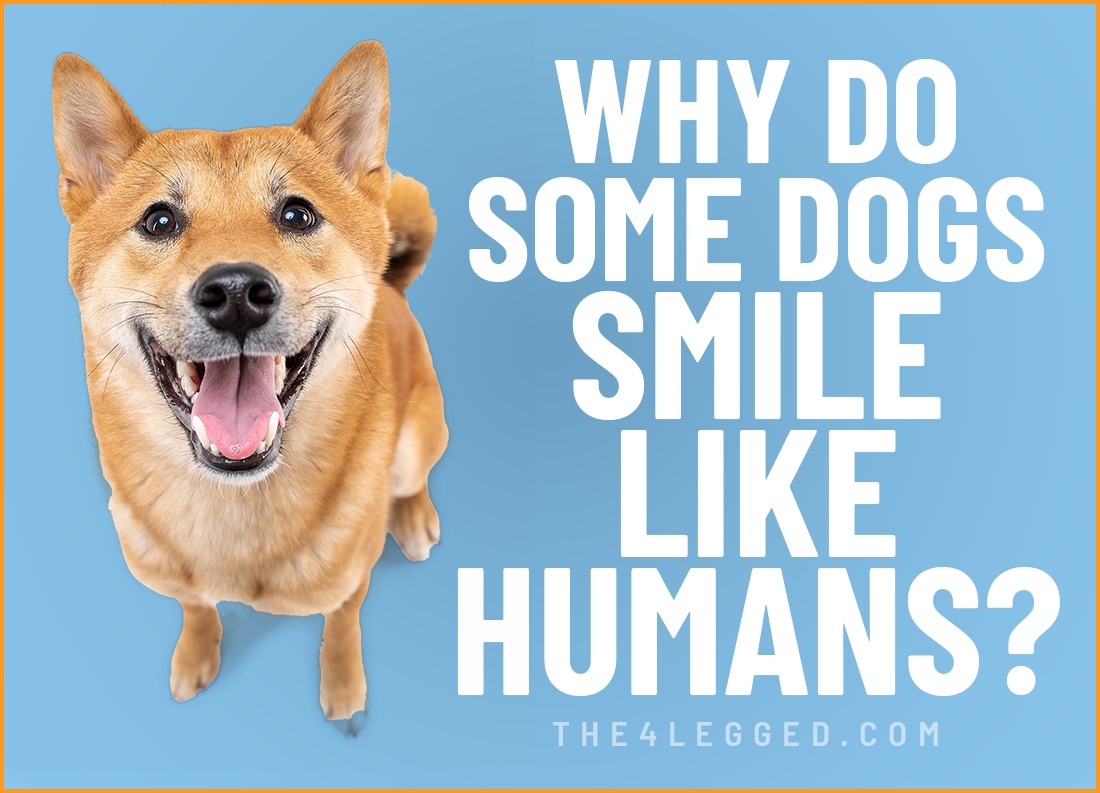
Have you ever noticed your dog giving you what looks like a genuine smile? Why do some dogs smile like humans? This familiar expression—soft eyes, a relaxed face, and a slightly open mouth—isn’t just your imagination. Many dogs display smile-like facial expressions as a way to communicate with people.
This behavior is rooted in evolution and the close bond dogs share with humans. Understanding why some dogs smile like humans helps pet owners better interpret canine emotions and respond to their dog’s needs with confidence and care.
Key Takeaways
- Dogs have evolved unique facial expressions that resemble human smiles, serving as important tools for communication with people.
- Different types of dog smiles—happy smiles, submissive grins, and stress-related expressions—convey distinct feelings, emotional states, and intentions.
- Understanding these smiles alongside body language helps owners respond appropriately, strengthening the bond and ensuring their dog’s well-being.
The Science Behind Canine Smiles
When we observe dogs smile, we’re witnessing a sophisticated display of facial muscle coordination that has evolved specifically for human-dog interaction. Unlike the aggressive baring of teeth seen in threatening situations, where a dog is showing teeth as a warning, a genuine canine smile involves a relaxed, toothy smile—an open mouth display with distinct characteristics that signals friendliness rather than aggression.
Dogs physically smile by engaging specific facial muscles that pull back the corners of their mouths, creating an expression remarkably similar to human smile mechanics. The relaxed face shows a slightly open mouth with the tongue often visible and gently lolling. This toothy smile is accompanied by soft eyes, relaxed ears, and a loose body posture that communicates contentment and approachability.
Research published in Scientific Reports indicates that while dogs don’t show identical facial movements to humans in comparable emotional contexts, they have developed their own version of smiling that effectively communicates positive emotional states. The key difference lies in how dogs use their entire body language system to complement their facial expressions, creating a more comprehensive communication package than humans typically display.
Most dogs possess the anatomical capability for these expressions, though the extent varies among breeds. Dogs with shorter muzzles may have more limited range, while breeds with longer snouts often display more pronounced smiling behaviors. According to veterinarians, these expressions are recognized as normal canine behavior when accompanied by appropriate body language cues.
How Dogs Learned to Smile Through Domestication
The story of why dogs smile like humans begins thousands of years ago with the domestication process. Dogs didn’t develop this behavior in isolation – it emerged as a direct result of selective pressure from human companionship and the evolutionary advantages it provided.
During domestication, dogs that could effectively communicate with humans gained significant survival advantages. Those who could secure food, shelter, and protection from their human partners were more likely to survive and reproduce. This created selective pressure for increasingly expressive faces capable of engaging human attention and emotion.
An extensive study published in the Proceedings of the National Academy of Sciences reveals that dogs’ facial structure, particularly around the eyebrow area, changed specifically to enhance communication with humans. This represents a fundamental biological shift that occurred over millennia of domestication, literally reshaping canine anatomy to facilitate better human-dog bonds. Dogs use facial expressions not only to communicate with humans in general, but also to convey emotions and intentions directly to a person, interpreting and responding to individual cues and body language.
The development of smiling behavior wasn’t dogs learning to mimic human expressions, but rather an adaptive evolution designed specifically for human-dog interaction. Dogs learned to associate human smiling with positive outcomes – treats, walks, play sessions, and affection. This reinforcement created a feedback loop where dogs increasingly displayed smile-like expressions to trigger favorable responses from their human companions. Smiling behavior benefits dogs at every stage of life—puppy, adult, and senior—by helping them build and maintain strong bonds with people, ensuring their needs are met and enhancing their overall well-being throughout their life.
Research demonstrates that dogs showing smile-like expressions receive more positive attention from humans, including treats, petting, and verbal praise. This consistent reward system strengthened the behavior across generations, making smiling an integral part of how many dogs communicate with humans today.
Different Types of Dog Smiles and Their Meanings
Not all dog smiles convey the same message, and understanding these distinctions is crucial for proper interpretation of your pet’s emotional state. Dogs display several different types of smile-like expressions, each with specific meanings and accompanying body language cues.
In addition to smiles that signal happiness or aggression, some dog smiles may also indicate a worried or attentive state, where the dog is curious or evaluating their surroundings rather than feeling distressed or anxious.
The Happy Smile
The happy dog smile represents genuine contentment and is the closest equivalent to a human smile in terms of emotional meaning. This expression features a relaxed face with a slightly open mouth, visible tongue, and soft eyes that appear almost squinted in contentment. The dog’s ears remain in their natural, relaxed position, and the overall body posture stays loose and comfortable. Happy dog smiles are often seen during playing, which is typically accompanied by relaxed body language and a wagging tail.
A wagging tail accompanies this expression, but it’s important to note the quality of the wagging. Happy dogs display loose, sweeping tail wags that often involve the entire rear portion of their body. Their breathing remains normal, and they typically lean into interactions rather than pulling away.
This type of smiling dog often occurs after positive experiences like play sessions, exercise, or during pleasant interactions with their owners. The entire body language package communicates openness, confidence, and genuine joy. Most people can easily recognize this as a positive emotional display.
The Submissive Grin
The submissive grin represents a more complex communication signal that can easily be mistaken for aggression if not properly understood. This submissive smile involves pulling the lips back to expose the teeth, but unlike aggressive displays, it’s accompanied by specific calming signals.
Dogs displaying a submissive grin typically show lowered head posture, squinting or avoiding direct eye contact, and flattened ears pressed against their head. Their body posture remains low, sometimes with a slightly crouched stance, and tail wagging tends to be faster and more restricted to just the tip of the tail.
This expression serves as a calming signal to show non-threatening intentions. Dogs use this submissive smile when they sense tension or want to demonstrate that they pose no threat to humans or other animals. Some dogs use the submissive grin to let you know they don’t want to get in trouble, especially if they think they might have done something wrong. Some dogs learn this behavior as a specific response to human reactions, particularly if they’ve been scolded in the past and discovered that this expression reduces negative consequences.
Not all dogs display submissive grins – this behavior appears to be learned and varies significantly among individual animals. Some dogs develop this as their go-to strategy for diffusing potentially uncomfortable situations, and a pup may use submissive gestures, including smiles, to communicate their emotional state.
Stress or Anxiety Smiles
Perhaps the most misunderstood type of canine smile is the stress-related expression. These smiles may appear superficially similar to happy expressions but are accompanied by subtle signs of tension and discomfort that require careful observation to detect.
Stress smiles often feature a slightly open mouth that may appear similar to relaxed expressions, but the accompanying body language tells a different story. Look for wide eyes showing more white than usual (sometimes called “whale eye”), ears that are either pinned back or held in an unnatural position, and body posture that appears tense or rigid. In contrast, when a dog is scared, you may also notice cowering, tail tucked tightly, or attempts to hide, which are clear signs of fear rather than happiness.
Dogs experiencing stress may also display rapid panting despite normal temperatures, pacing behavior, or attempts to distance themselves from the source of stress while still trying to appear non-threatening. The context becomes crucial for proper interpretation – a “smiling” dog in a new, overwhelming environment may actually be expressing anxiety rather than happiness.
These expressions often occur as displacement behaviors when dogs feel uncertain or uncomfortable but still want to maintain social connection with their humans. Understanding this distinction helps prevent misreading your dog’s emotional state and ensures appropriate responses to their needs.
Why Dogs Smile Only for Humans
One of the most fascinating aspects of canine smiling behavior is its specificity to human interaction. Dogs use completely different communication methods with other dogs, relying primarily on full body language, scent signals, and different types of vocalizations rather than facial expressions. A pooch will often reserve its smile-like expressions for interactions with humans, rarely displaying them in the presence of other dogs.
When communicating with other dogs, canines employ a sophisticated system of body postures, tail positions, ear movements, and scent markers. They rarely display the smile-like expressions they reserve for humans. This behavioral distinction highlights the unique evolutionary adaptation that occurred specifically for human-dog relationships.
Dogs can read human facial expressions with remarkable accuracy and have learned to understand that human smiles typically indicate happiness, approval, and positive intentions. This understanding allows them to respond appropriately and even mirror these expressions to maintain positive social connections with their human families.
The behavior demonstrates the remarkable plasticity of canine communication and their ability to develop species-specific social skills. Dogs essentially became bilingual in communication – using one set of signals for interacting with their own kind and developing an entirely different repertoire for engaging with humans.
This adaptation reinforces the unique bond between humans and dogs that doesn’t exist with other animals. Even wolves, despite being the closest relatives to domestic dogs, don’t display these human-directed facial expressions, suggesting this behavior emerged specifically through the domestication process.
The Role of Human Interpretation
Human tendency to anthropomorphize animal behavior plays a significant role in how we perceive and respond to dog smiles. We’re naturally inclined to see familiar emotions and expressions in our pets, often projecting our own emotional experiences onto their behaviors.
This anthropomorphic tendency isn’t entirely misguided. Historical evidence from ancient Egyptian and Mesoamerican cultures shows that humans have long recognized and responded to dog facial expressions. Archaeological artifacts and artwork frequently depict dogs with human-like emotional expressions, suggesting this recognition spans millennia.
Modern research confirms that our interpretation isn’t purely wishful thinking. Dogs do understand human emotions and may intentionally produce expressions that they’ve learned will generate positive responses from their human companions. The neurobiological evidence supporting this includes studies showing that both dogs and humans experience increased oxytocin levels when making eye contact, creating a hormonal feedback loop that strengthens the bond between species.
The human tendency to reward smile-like expressions with attention, treats, and affection has strengthened this behavior over generations. Dogs whose expressions successfully triggered positive human responses were more likely to receive care and resources, creating an evolutionary advantage for increasingly human-like facial expressions.
However, this same tendency can lead to misinterpretation. Research shows that humans often mistake stress signals or submissive displays for happiness, potentially missing important communication from their pets. To better interpret your dog’s emotions, watch their body language and facial expressions closely. Understanding the difference between genuine contentment and other emotional states helps ensure appropriate responses to our dogs’ needs.
How to Encourage Positive Smiling in Your Dog
To encourage genuine smiling, create an environment where your dog feels content and secure. Respond warmly and consistently to relaxed, happy expressions, reinforcing positive behaviors naturally.
Ensure your dog gets regular exercise and mental stimulation tailored to their breed and energy level. Clear, consistent training using positive reinforcement helps reduce stress and promotes relaxed facial expressions.
Maintain proper veterinary care, including dental health, to prevent discomfort that might affect your dog’s expressions. Remember, not all dogs express themselves through facial smiles—some rely more on body language and vocalizations.
Establish positive daily routines with play, bonding, and respect for your dog’s need for rest and personal space. Observing your dog’s unique communication style and responding appropriately strengthens your bond and encourages authentic happiness.
Understanding canine smiles deepens our appreciation of the human-dog bond and emphasizes the importance of interpreting these expressions accurately. Take time to observe your dog’s relaxed and content moments, fostering more positive experiences and better communication.
Summary
Some dogs really do smile in ways that resemble human expressions, and this behavior is the result of evolution, domestication, and thousands of years of close interaction with people. These smile-like expressions can signal happiness, submission, or even stress, which is why understanding your dog’s full body language—ears, eyes, posture, and tail—is essential for accurate interpretation.
By learning to recognize the different types of dog smiles, you can respond more appropriately to your dog’s emotions, strengthen your bond, and support their overall well-being. A smiling dog isn’t just being cute—it’s communicating.
Want to better understand your dog’s behavior and emotional cues?
Explore more of our dog behavior guides to deepen your connection with your pup and become even more fluent in “dog language.”
Frequently Asked Questions
Why do some dogs smile like humans?
Dogs have evolved unique facial expressions that resemble human smiles as a result of domestication and their close bond with people. This behavior helps them communicate positive emotions and social cues effectively with humans.
Can all dogs smile like humans?
Not all dogs smile in the same way or as frequently. The ability to display a canine smile varies among individual dogs and breeds, influenced by factors like facial anatomy, temperament, and learned behavior.
How can I tell if my dog’s smile means they are happy?
A genuine happy dog smile is accompanied by a relaxed body posture, soft eyes, slightly open mouth with visible tongue, relaxed ears, and a wagging tail that moves loosely. Observing the overall body language helps distinguish true happiness from other expressions.
Is a dog’s smile always a sign of friendliness?
No, some smiles, such as submissive grins, may indicate the dog is trying to show they are not a threat or are feeling uncertain. It’s important to consider other body signals and context to understand what the smile means.
Can dogs feel guilty when they smile?
Dogs do not feel guilt the way humans do. What looks like a guilty smile is often a submissive or appeasing gesture in response to the owner’s displeasure. Understanding your dog’s body language can help clarify their emotional state.