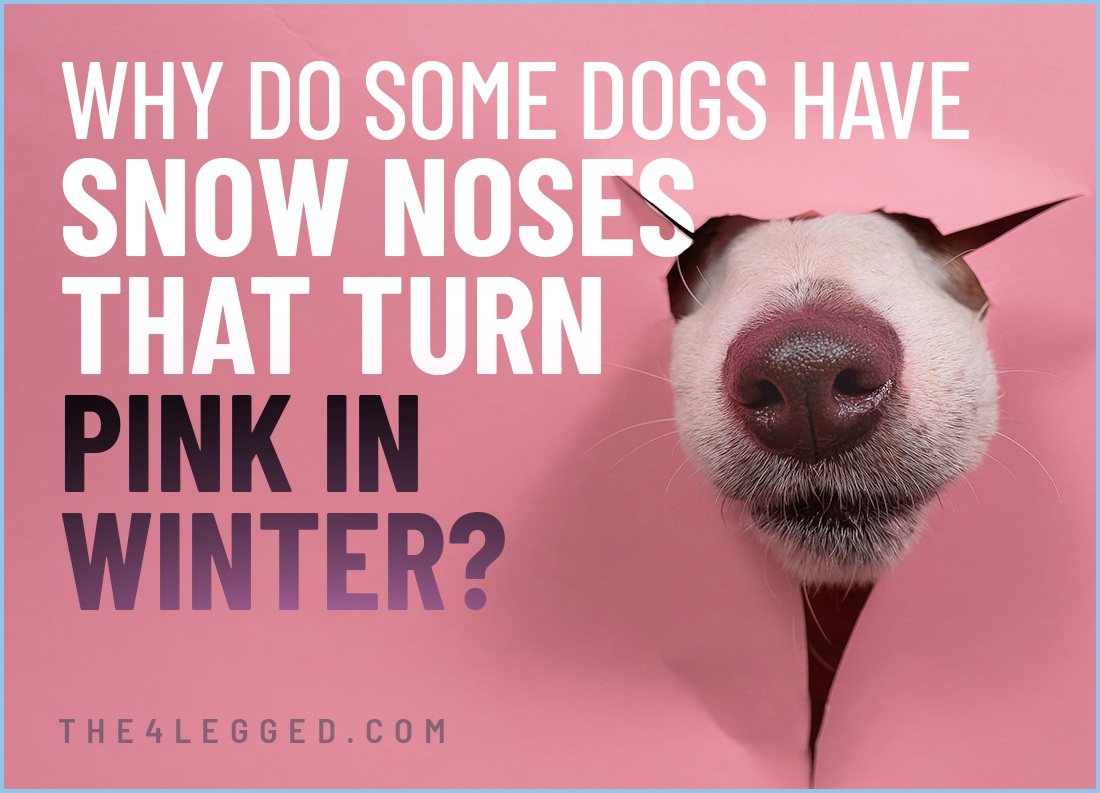
If you’ve ever noticed your dog’s nose lighten from jet black to a charming shade of soft pink or light brown as the temperatures drop, you’re witnessing a fascinating and harmless phenomenon known as snow nose. While it might catch you by surprise, this seasonal color shift is typically nothing to worry about and adds a unique wintertime quirk to your furry friend’s appearance.
There is little research on snow nose, and while the condition is well-documented, its exact causes are not fully understood.
Key Takeaways
- Snow nose is a harmless, temporary condition where a dog’s nose loses pigment and turns pink or light brown during colder months.
- This change is linked to reduced melanin production caused by cold temperatures, shorter daylight hours, age, and genetics.
- Snow nose is not the only reason a dog’s nose may change color; other health conditions can also cause similar changes, so it’s important to consider all possibilities.
- If your dog’s nose texture changes or other symptoms appear, consult your veterinarian to rule out more serious conditions.
Quick Answer: Why Is My Dog’s Black Nose Turning Pink in Winter?
Here’s the reassuring news: snow nose is a common, usually harmless seasonal change in a dog’s nose color. Many dogs experience their noses change color from black or dark brown to lighter shades of brown or pink during winter months, only to see that normal color return when the weather warms in spring.
This color change is believed to be tied to melanin production—the pigment that gives your dog’s nose its dark appearance. Environmental factors like cold temperatures and shorter daylight hours can affect dogs by slowing the enzyme responsible for producing melanin, causing your pup’s nose to lighten. Age and genetics also play significant roles, with certain breeds being more prone to this seasonal nasal hypopigmentation than others.
Consider a Golden Retriever living in Minnesota whose nose reliably turns pink every December and darkens again by March. Or a Siberian Husky in Alaska that develops a distinctive pink stripe down the center of its nose each winter, only to have it fade completely by May. These patterns repeat year after year and are perfectly normal for many dogs. In younger dogs, this phenomenon can also be seen as a pup’s nose temporarily loses pigmentation during colder months.
The key thing to understand is that snow nose affects only the color of your dog’s nose—the texture should remain smooth, slightly moist, and otherwise normal. The only symptom of snow nose is when a dog’s nose loses its original brown or black coloring and turns pink or light brown. If you notice pain, sores, crusting, bleeding, or any changes beyond simple color, that’s when it’s time to call your vet. But if it’s just a cosmetic change and your dog feels fine, you’re likely looking at classic snow nose.
Snow nose is almost always a temporary condition, with normal pigmentation typically returning as the weather warms up.
Snow nose most commonly occurs among Siberian Huskies, Labrador Retrievers, Golden Retrievers, and Bernese Mountain Dogs.
What Is “Snow Nose” in Dogs?
Snow nose, also commonly referred to as winter nose, seasonal nasal hypopigmentation, or sometimes Dudley nose, describes a temporary condition where a dog’s nose loses its dark pigment and becomes lighter. This change can be subtle—perhaps a pale stripe down the center or scattered spots—or it can involve most of the nose shifting from black to pink or light brown.
This nasal depigmentation most commonly appears in late fall and throughout winter in dogs living in northern climates, though it’s been documented in dogs from warmer climates as well. The condition commonly occurs in dogs regardless of whether they spend significant time outdoors in the snow or stay mostly indoors where temperatures are controlled.
What separates true snow nose from other health issues is that the dog’s nose should otherwise look and feel completely normal. It should maintain its typical slightly moist or dry texture without cracking, bleeding, ulcers, or raised lesions. Many pet parents first notice snow nose when their dog is between one and three years old, and the pattern may reappear predictably each winter season. If the only symptom is a gradual lightening of skin pigment on the nose, you’re likely dealing with this benign condition.
Why Do Some Dogs’ Noses Turn Pink in Winter? (Possible Causes)
Despite years of observation by veterinarians and researchers, the exact cause of snow nose remains something of a scientific mystery. However, several factors are strongly suspected to work together in causing this pigment loss. Some dogs get snow nose due to a combination of environmental factors, genetics, and changes in pigmentation during colder months or as they age.
The leading theory centers on melanin and an enzyme called tyrosinase. Think of melanin as the paint that gives your dog’s nose its dark brown or black nose appearance. Tyrosinase is like the brush that applies that paint—it’s the enzyme responsible for producing melanin in the skin’s pigment-producing cells. The exact cause of snow nose is unknown, but it is believed to be related to the breakdown of tyrosinase, the enzyme responsible for producing melanin. Here’s where cold weather comes in: tyrosinase is sensitive to cold temperatures and may become less active when temperatures drop, similar to how some chemical reactions slow down in cold environments. This reduced enzyme activity means less melanin production, which translates to a lighter nose.
Shorter daylight hours during winter months may also influence this process. Just as humans might experience changes in mood or skin color based on sun exposure, dogs’ pigment production may respond to photoperiodic cues—essentially, their bodies registering that winter has arrived.
Age plays a role too. As a dog ages, the natural production of tyrosinase tends to decline, which explains why some senior dogs (typically over seven or eight years old) develop permanent snow nose rather than the seasonal version. You can think of it like humans getting gray hair—a gradual, natural change that doesn’t indicate illness.
Genetics round out the picture. Some dog breeds and individual bloodlines simply carry a predisposition to develop snow nose, suggesting hereditary factors are at play. Snow nose can affect dogs of any breed, sex, or age, but it is most commonly seen in certain breeds such as Siberian Huskies, Labrador Retrievers, Golden Retrievers, and Bernese Mountain Dogs. Interestingly, dogs in warmer climates can still experience snow nose, which tells veterinarians that cold temperatures alone aren’t the only trigger. There may be other environmental or hormonal factors at work that haven’t been fully identified yet.
Which Dog Breeds Are Most Prone to Snow Nose?
While any dog can develop snow nose regardless of breed or background, certain breeds appear significantly overrepresented in veterinary observations and owner reports. If your dog belongs to one of these groups, seasonal nose lightening is particularly common.
Snow nose commonly affects Siberian Huskies, making it almost expected within the breed community. Golden Retrievers and Labrador Retrievers are also commonly affected, with many owners of these popular breeds noticing the annual color change. Bernese Mountain Dogs frequently experience snow nose as well, alongside Border Collies, Samoyeds, and German Shepherd Dogs. What many of these breeds have in common is a historical association with colder environments or outdoor working roles—though that doesn’t mean snow nose is limited to “northern” breeds.
Mixed-breed dogs with ancestry from any of these commonly affected breeds may also develop seasonal pink noses. The condition appears to run in family lines, so if a dog’s parents or siblings showed snow nose, there’s a reasonable chance they might too. If you own one of these breeds and notice gradual nose lightening that occurs only in winter and reverses in warmer weather, snow nose is a likely explanation once other health issues are ruled out by your vet.
Black Noses and Snow Nose
Many dog breeds are known for their striking black noses, but even these can undergo a surprising transformation during the colder months thanks to snow nose. Also called winter nose or seasonal nasal hypopigmentation, snow nose is a harmless condition where a dog’s nose color fades from black to pink or light brown. This cosmetic change is most commonly seen in breeds like Siberian Huskies, Labrador Retrievers, Bernese Mountain Dogs, and Golden Retrievers, but it can affect any dog with a dark nose.
For pet parents, seeing a black nose lose its pigment and lighten in color can be unexpected, but rest assured—snow nose affects only the color of your dog’s nose and is not a sign of pain or discomfort. The exact cause of snow nose isn’t fully understood, but it’s believed to be related to a decrease in melanin production. The enzyme responsible for creating melanin is sensitive to cold temperatures, which is why this pigment loss often appears during winter. While snow nose is more common in colder climates, dogs living in warmer climates can also experience snow nose, especially if they belong to certain breeds with a genetic predisposition.
As dogs age, their noses may become more likely to develop snow nose, and in some cases, the lighter color can become permanent. However, for most dogs, the color change is temporary, and their nose returns to its normal shade as the weather warms and melanin production increases.
It’s important for dog owners to remember that snow nose is a benign condition and does not require treatment. The only symptom is the gradual color change—if your dog’s nose develops cracks, sores, bleeding, or other symptoms, it could indicate a more serious health issue such as discoid lupus erythematosus, and you should consult your veterinarian.
To help prevent snow nose from being complicated by sun damage, especially on lighter noses, consider using a dog-safe sunscreen when your pup is outdoors. Regular veterinary checkups are also a good way to monitor your dog’s overall health and catch any potential issues early.
Ultimately, snow nose is a harmless, cosmetic change that adds a bit of seasonal character to your dog’s appearance. With a little awareness and care, pet parents can ensure their dogs stay healthy and comfortable, no matter what color their nose turns during the winter months.
Is Snow Nose in Dogs Something to Worry About?
Let’s be direct: snow nose itself is considered a purely cosmetic change and usually doesn’t affect your dog’s comfort, sense of smell, or overall health. The condition doesn’t snow nose hurt dogs in any way—it’s simply a shift in skin color without functional consequences.
Compare it to humans developing a few gray hairs or freckles with age or sun exposure. It’s noticeable, maybe even surprising the first time you spot it, but it’s not inherently a disease or sign of illness. Many dogs go through their entire lives with seasonal nose color changes and never experience a single related health issue.
That said, not every change in your dog’s nose color is harmless snow nose. Any changes beyond color should get your attention. Watch for dryness accompanied by cracking or flaking, scabs or crusty buildup, ulcers or open sores, swelling or raised bumps, bleeding or discharge, or your dog pawing at or rubbing their nose as if it’s uncomfortable. Loss of appetite, lethargy, coughing, or skin changes spreading beyond the nose are also concerning signs that warrant veterinary attention.
Conditions like discoid lupus erythematosus, an autoimmune disease, can cause pigment changes alongside ulcerations and texture changes. Vitiligo, bacterial or fungal infections, trauma, and even contact irritation from plastic food bowls can also alter nose appearance. The good rule of thumb for dog owners: if the color change is the only symptom and your dog acts completely normal, monitoring at home is usually fine. If color change comes with discomfort, texture changes, or lesions, call your vet.
How Veterinarians Check a Pink or Fading Dog Nose
When you bring your dog in for a nose concern, most vets start with a detailed history. They’ll want to know when the color change began, whether it seems seasonal (appearing every November through February, for example), and whether you’ve noticed any other symptoms. This background information helps them distinguish between routine snow nose and something requiring further investigation.
The physical exam typically involves a thorough look at both nostrils, the bridge of the muzzle, the surrounding skin, and often the inside of the mouth to check for similar pigment changes or sores elsewhere. If everything looks consistent with snow nose—gradual seasonal lightening with normal texture and no discomfort—your vet may simply note it in your dog’s record and recommend monitoring through the seasons.
However, if the pattern seems unusual or there are lesions present, additional tests might be warranted. These could include skin scrapings or cytology to look for parasites or abnormal cells, bacterial or fungal cultures if infection is suspected, bloodwork to evaluate endocrine or immune function, or in some cases, a small skin biopsy to definitively rule out autoimmune disease. These advanced diagnostics aren’t needed for every dog with a pink winter nose—only when the vet suspects something beyond simple seasonal nasal hypopigmentation.
Living with a Dog That Has a Snow Nose
Once you know your dog’s seasonal nose lightening is harmless, day-to-day care becomes about comfort and protection rather than medical treatment. Here are practical considerations for pet parents whose dogs experience snow nose each year.
Sun protection deserves attention even in winter. A pink nose or any nose with reduced pigment has less melanin shielding it from UV rays, making it more susceptible to sun damage—even on cloudy or snowy days when UV reflection off snow can be surprisingly intense. Before long outdoor activities like winter hikes, ski trips, or extended park visits, talk to your vet about dog-safe sunscreen or protective nose balms. These products create a barrier without being toxic if your dog licks their nose.
Environmental factors matter too. Consider switching to ceramic or stainless steel food and water bowls if you’re still using plastic, as some dogs develop contact reactions from plastic that can affect nose pigmentation or skin health. When walking in areas treated with de-icing chemicals, try to keep your dog from rubbing their nose in treated snow or licking salt from surfaces.
Gentle nose balms can help keep the skin soft if cold, dry air makes your pup’s nose a little chapped—but understand that these products won’t “cure” snow nose or bring back pigment. They’re comfort measures, not treatments. Ultimately, try to view your dog’s seasonal pink nose as a charming quirk rather than a problem to solve. Many dog owners come to appreciate this annual transformation as just part of what makes their dog unique.
Can You Prevent or Reverse Snow Nose?
Here’s the straightforward answer: there’s currently no proven method to prevent snow nose in dogs who are genetically predisposed to it. Despite what you might read online, no supplement, diet change, or topical treatment has been shown in veterinary medicine to reliably stop or reverse this pigment production change.
Keeping your dog warm and healthy overall is always beneficial for their general wellbeing, but it won’t necessarily prevent the winter nose color change if your dog is prone to it. The reassuring flip side is that in many dogs, the nose gradually darkens again with longer days and warmer temperatures in spring and early summer—nature’s own reset button.
In some older dogs, the lighter color can become permanent due to age-related decline in melanin production. While this might be cosmetically noticeable, it’s typically still benign and doesn’t affect your dog’s health or quality of life. Veterinarians recommend avoiding unproven home remedies or skin-lightening/darkening products marketed for pets. If you’re considering any supplements that claim to affect pigmentation, always discuss them with your vet first. In most cases, no treatment is needed because there’s nothing to treat—it’s simply a natural variation in how your dog’s body responds to seasonal changes.
When to Call Your Veterinarian About a Changing Dog Nose
While snow nose is generally a harmless and gradual change, there are times when a visit to the vet is important. Reach out to your veterinarian if you notice your dog’s nose color changing suddenly instead of gradually, or if the nose develops any crustiness, cracking, ulcers, bleeding, or unusual discharge. A strong, unpleasant odor coming from the nose or frequent rubbing or avoidance of nose contact can also signal discomfort or an underlying issue. Additionally, if your dog shows other concerning symptoms such as coughing, weight loss, lethargy, or changes in behavior, it’s best to seek veterinary advice promptly.
Even if you suspect your dog’s nose color change is simply snow nose, a vet evaluation can provide valuable peace of mind. Your veterinarian can examine the texture and health of the nose and surrounding skin, rule out more serious conditions, and establish a baseline of what “normal winter nose” looks like for your pup. This baseline can be helpful for monitoring future changes and ensuring your dog’s continued well-being.
Summary
Snow nose is a harmless seasonal quirk where your dog’s nose fades from dark to pink or light brown as the weather turns cold, usually without affecting their comfort or health. Understanding how temperature, daylight, age, and genetics influence this pigment shift makes it easier to tell what’s normal and when a changing nose might need a closer look from your vet.
Curious about other subtle quirks that shape how dogs experience the world?
Explore our dog habits and quirks guides to learn how everyday changes in your dog’s body, behavior, and senses reveal what’s really going on in their mind.
Frequently Asked Questions
What causes a dog’s nose to turn pink in winter?
A dog’s nose turns pink in winter primarily due to a harmless condition called snow nose, where reduced melanin production caused by cold temperatures, shorter daylight hours, age, and genetics leads to a temporary loss of pigment.
Is snow nose permanent?
Snow nose is usually temporary, with normal pigmentation returning as the weather warms. However, in some older dogs, the lighter nose color can become permanent due to reduced enzyme activity responsible for pigment production.
Does snow nose hurt dogs?
No, snow nose is a harmless condition that only affects the color of the nose. It does not cause pain, discomfort, or any health issues for your dog.
Can I prevent my dog from getting snow nose?
There is currently no proven way to prevent snow nose, especially in dogs genetically predisposed to it. Keeping your dog warm or using supplements has not been shown to stop this seasonal pigment change.
When should I see a veterinarian about my dog’s nose color change?
If your dog’s nose develops other symptoms such as cracking, bleeding, sores, or changes in texture, or if the color change is sudden and accompanied by other health concerns, you should consult your veterinarian promptly.