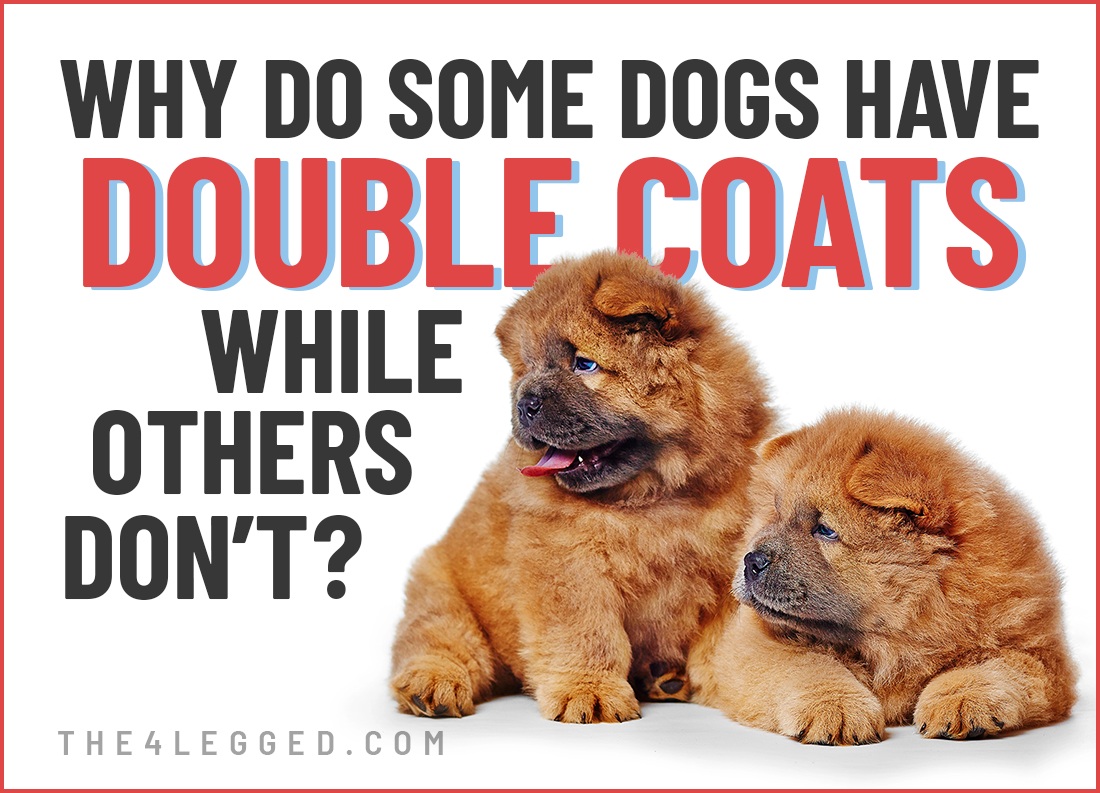
If you’ve ever lived with a Siberian Husky, you know the reality of fur-covered floors and seasonal shedding explosions typical of double coated dogs. Meanwhile, a Greyhound can curl up on your couch without leaving much evidence behind. This stark contrast in a dog’s coat type isn’t random—it results from genetics, climate adaptations, and centuries of selective breeding that explain why some dogs have double coats while others don’t.
Certain dogs evolved a thick double coat to survive freezing temperatures and demanding outdoor work, while other breeds developed single coats better suited for speed, staying cool, or indoor living. Understanding why some dogs have double coats while others don’t goes beyond curiosity—it influences grooming routines, climate comfort, shedding expectations (like managing loose fur from double coated dog breeds), and even your dog’s long-term skin and coat health.
In this comprehensive guide, we’ll explore the science, history, and practical implications of double coats versus single coats. This knowledge helps dog owners care better for their furry friends, select the right coat type for their lifestyle, and master proper grooming techniques to effectively remove loose fur and maintain a healthy, vibrant coat.
Key Takeaways
- Double coats are an evolutionary adaptation in many dog breeds, providing insulation with a dense undercoat and protective outer coat (guard hairs), ideal for cold weather and harsh topcoats in double coated breeds.
- Single coats typically develop in dog breeds from warmer regions or those originally bred for speed and agility, offering less insulation but easier regular grooming year round.
- Proper grooming and care are essential for double-coated dogs to manage shedding season, maintain coat health, prevent skin problems, and avoid issues like overheating or severely matted fur.
Quick Answer: What Makes Some Dogs Double-Coated?
A double coat is a genetic, breed-specific adaptation in double coated dog breeds that evolved to protect dogs from harsh weather and demanding outdoor work. A dog’s double coat has two distinct layers: a soft undercoat close to the skin that provides insulation by trapping air, and longer, coarser guard hairs in the outer coat that repel water, dirt, harmful UV rays, and debris. Single-coated breeds, by contrast, have one uniform layer of dog’s fur with little or no insulating undercoat. A dog’s coat type is largely genetic, determined by mutations in specific genes that control hair follicle development, growth cycles, and thick coat characteristics.
Breeds developed in cold or harsh environments—like the Siberian Husky pulling sleds across frozen tundra, or the Newfoundland rescuing fishermen from icy Atlantic waters—are far more likely to have double coats. Meanwhile, breeds from mild or hot regions—like the Greyhound, Boxer, or Chihuahua—typically sport single coats that help them stay dog cool without a thick double coat.
Understanding coat type affects shedding expectations (double coated dogs shed in clumps during shedding season), grooming needs to remove loose hair, and climate tolerance. Knowing the difference in dog’s coat type helps dog owners choose the right dog breeds and develop an appropriate care routine with regular brushing and proper care.
This quick overview answers the “why do some dogs have double coats while others don’t,” but let’s dig deeper into what makes these two coats fundamentally different.
Understanding Dog Coat Types: Single vs Double
Domestic dogs show remarkable diversity in coat structure because of thousands of years of selective breeding across dog breeds. From the woolly coat of a Poodle to the sleek fur of a Dalmatian, each dog’s coat evolved to serve specific purposes tied to their environment and original jobs. A dog’s coat provides essential insulation, weather resistance, and protection for the dog’s skin, and proper maintenance of a dog’s coat is crucial for their health, comfort, and body temperature regulation.
What Is a Single Coat?
A single coat consists of one primary layer of hair with minimal or no thick undercoat for providing insulation. The texture and length vary widely among other breeds:
| Single Coat Type | Examples | Characteristics |
| Short and sleek | Whippet, Dalmatian, Boxer | Lies flat against skin, minimal shedding volume year round |
| Continuously growing | Poodle, Maltese, Shih Tzu | Hair grows like human hair, requires regular trimming and professional grooming |
| Silky drop coat | Afghan Hound, Yorkshire Terrier | Long, flowing hair without dense underlayer or extra layer |
Single-coated dogs usually shed more evenly year round or have hair that grows continuously and needs regular grooming cuts. They don’t experience the dramatic seasonal “blow” of loose fur that double-coated dogs do, making them lower-maintenance for dog owners who dislike excess hair.
What Is a Double Coat?
A double coat features two distinct layers working together in dog’s double coat:
- Dense undercoat: A soft, woolly undercoat closest to the dog’s skin that provides insulation by trapping body heat.
- Outer coat (guard hairs): Longer, coarse hairs that form a weather-resistant top coat, repelling water, snow, and UV rays.
The undercoat of double-coated dogs grows densely in winter months and sheds heavily in shedding season, while the top layer stays more constant.
Proper grooming of a dog’s double coat is essential for maintaining their health, as improper care (such as shaving a double coated dog) can remove natural cooling protections, increase the risk of skin problems on the dog’s skin, and potentially cause overheating in hot weather. This two-layer system appears in double coated dog breeds like Golden Retrievers, Corgis, German Shepherds, Border Collies, and Australian Shepherds—even those with short double coats. These dogs “blow” their undercoat seasonally, releasing massive amounts of loose hair in spring and fall.
Even mixed-breed dogs may inherit partial traits from both coat types, leading to thick coat characteristics that can confuse owners about grooming needs to remove loose fur.
The Science Behind Double Coats: Genetics and Evolution
Coat type is largely controlled by genetics and shaped by both natural and artificial selection over at least 15,000–30,000 years of dog domestication among many dog breeds.
The Genetic Blueprint
Research from canine genetics studies around 2007–2010 identified several genes that influence coat characteristics in a dog’s fur:
- FGF5: Controls hair length; variants determine whether a dog has short or long fur in the top coat.
- RSPO2: Associated with “furnishings” like beards and eyebrows.
- KRT71: Influences whether hair is straight, wavy, or curly.
The presence of a distinct undercoat—both the undercoat and outer coat—likely involves genes regulating follicle density, hair cycle timing for shedding, and dense fur growth, though the exact genetic architecture is still being mapped.
Climate-Driven Evolution
Northern and working breeds were historically selected to survive in sub-zero environments. Dogs in Siberia, the Arctic, and mountain regions needed the woolly undercoat for warmth in cold weather and a harsh topcoat of coarse hairs for weather protection. These dogs developed:
- High follicle density with many secondary (undercoat) hairs for a fluffy layer closest to the skin.
- Seasonal hair cycles synchronized with changing daylight, causing dogs shed patterns.
- Water-resistant outer coats with natural oils.
In contrast, dogs bred in Mediterranean, African, or Central American regions evolved shorter, lighter single coats to prevent overheating and keep the dog cool in summer months. Natural selection and human preference favored breeds that could dissipate heat efficiently without a thick coat.
Breed Standards Lock It In
When kennel clubs like the American Kennel Club and FCI established breed standards in the 19th and 20th centuries, they codified coat traits that had developed over centuries. This “locked in” double coats for double coated dog breeds like the Alaskan Malamute and single coats for breeds like the Basenji.
How Double Coats Work: Layers and Their Functions
A dog’s double coat is a specialized two-layer system designed to protect against temperature extremes, moisture, and physical damage. In a dog’s fur, the double coat consists of a soft undercoat and a tougher top coat, each serving unique protective functions. Think of it as a built-in climate control system for body temperature.
The dense, soft undercoat traps heat in winter months to keep dog warm, while the longer, coarser guard hairs of the outer coat protect from snow, rain, UV rays, and brush, keeping the dog’s skin dry and well insulated.
The Undercoat: Your Dog’s Insulation Layer
The undercoat is the fluffy layer closest to the dog’s skin. This woolly undercoat:
- Traps air close to the body, creating insulation in cold weather. The dense undercoat traps air, keeping dogs warm in winter months and buffering heat in summer months.
- Buffers temperature changes by slowing heat transfer to the skin.
- Grows densely in cold seasons and sheds heavily in shedding season, releasing loose fur.
This extra layer works like a down jacket—lightweight but incredibly effective at maintaining body temperature. The undercoat also helps protect the dog’s skin from UV rays, sunburn, and other environmental hazards like sun exposure.
The Guard Hairs: Your Dog’s Protective Shell
The top coat consists of longer, coarse hairs called guard hairs. These:
- Repel water, snow, and moisture.
- Block harmful UV rays and protect against sun exposure.
- Shield skin from thorns, brush, and minor injuries.
- Shed dirt and debris.
Together, the two coats (two layers) create a microclimate over the skin—similar to wearing a moisture-wicking base layer under a weatherproof jacket.
The Seasonal Shedding Cycle
Double coated dogs shed their undercoat heavily at least twice a year, typically in spring and fall—double coated dogs shed in thick tufts. This “coat blowing” is triggered by changes in daylight length and temperature. During shedding season, you’ll see:
- Clumps of loose hair coming out during brushing to remove loose fur.
- Tufts of excess hair appearing around the house.
- A dramatic reduction in coat density.
This is completely normal and helps the dog adjust the undercoat for the coming season with proper grooming.
Why Some Breeds Have Double Coats (and Others Don’t)
A dog’s coat type generally reflects the job and environment the breed was developed for, particularly between the 1600s and 1900s when many modern dog breeds were standardized. Many dog breeds have double coats, offering variety in coat length, thickness, grooming needs, and suitability for different climates—why do some dogs have double coats while others don’t boils down to this history.
Double-Coated Breeds: Built for Cold and Wet Work
Here are examples of double coated dog breeds and why they developed thick double coats:
| Breed | Origin | Original Work | Why Double Coat? |
| Siberian Husky | Siberia | Long-distance sled pulling | Sub-zero temperatures, high winds, dense fur |
| Alaskan Malamute | Arctic regions | Freight hauling | Deep snow, extreme cold weather |
| Bernese Mountain Dog | Swiss Alps | Farm work | Cold mountain valleys |
| Newfoundland | 18th-19th century Canada | Water rescue, fishing support | Icy Atlantic waters |
| German Shepherds | Late 1800s Germany | Herding and patrol | Varied weather conditions, short double coats |
Many herding and spitz-type dog breeds also have double coats due to outdoor work in challenging conditions:
- Border Collies (Scottish Highlands, windy and wet).
- Shetland Sheepdogs (Shetland Islands, harsh maritime climate).
- Akita (mountainous Japan, cold winters).
- Australian Shepherds (developed in the American West for all-weather herding).
These dogs were originally bred to work outside for hours, and their thick coat was essential for survival. Double coats are beneficial because they offer protection from both cold weather and heat—dual-season insulation allows the soft undercoat to buffer against external heat in summer months and trap warm air in winter months.
Single-Coated Breeds: Built for Speed or Warmth
Other breeds evolved or were selected for entirely different conditions among other breeds:
- Greyhound: Ancient breed from Middle East/Europe, bred for sprinting where aerodynamics mattered more than insulation.
- Boxer: Developed in Germany for guarding in milder climates, valued for agility over cold tolerance.
- Doberman Pinscher: Late 1800s Germany, bred for personal protection with emphasis on speed.
- Italian Greyhound and Chihuahua: Mediterranean and Mexican origins with warmer climates and companion roles.
Indoor companion breeds developed in royal courts or cities often retained lighter or silkier coats because they no longer needed heavy weather protection. Their role was to sit on laps, not herd sheep in snowstorms.
The Crossbreed Wildcard
Crossbreeds like Labradoodles, Aussiedoodles, and mixed rescues may carry genes for an undercoat from one parent and single-coat traits from another. This creates unpredictable coat inheritance—some puppies in the same litter might have thick coat traits while others have curly, single-layer hair. If you’re adopting a mixed breed, don’t assume the coat will match either parent. Be prepared to adapt your grooming routine once the adult coat comes in, using tools like an undercoat rake.
Environmental Benefits and Drawbacks of Double Coats
Double coats are highly beneficial in certain climates but can be challenging in others if dog owners aren’t prepared with regular grooming.
Benefits in Cold and Wet Climates
For dogs living in places like Minnesota, Colorado, or the Pacific Northwest, a double coat provides:
- Superior insulation: Maintains body temperature in sub-freezing cold weather.
- Snow and ice resistance: Guard hairs prevent snow from packing against skin.
- Water-shedding ability: Dense fur helps dogs stay relatively dry when swimming or working in rain.
- Wind protection: The outer coat blocks cold wind from reaching the dog’s skin.
A Siberian Husky in Alaska is essentially wearing nature’s perfect winter survival suit year round.
Surprising Summer Benefits
Counterintuitively, a properly maintained double coat can also help in hot weather. The undercoat (both the undercoat layers):
- Slows direct sun and heat from reaching the dog’s skin.
- Creates an air buffer that works like a thermos to keep dog cool.
- Provides some UV protection from harmful UV rays.
This only works when the coat is well-groomed with regular brushing. A matted or impacted undercoat traps heat instead of insulating against it—double-coated dogs can regulate their temperature without shaving, as their coat serves to insulate them in both cold weather and summer months.
Drawbacks in Hot, Humid Regions
In hot weather, especially in places like Florida, Texas, or tropical Asia, double-coated dogs face challenges:
- Increased risk of overheating during the summer months.
- Higher chance of hot spots (acute moist dermatitis) if moisture gets trapped in the dense undercoat.
- Greater grooming demands to remove loose fur and maintain airflow.
- Risk of skin problems if the coat becomes severely matted.
Climate change and urban heating mean dog owners with Huskies, Malamutes, and similar double coated breeds must be extra cautious. Concrete and asphalt radiate heat, and more frequent heat waves create dangerous conditions for heavily coated dogs.
If you live in a warm climate with a double-coated breed, provide shade, fresh water, air conditioning, and regular exercise. Avoid midday exercise during the summer months.
How to Tell if Your Dog Has a Double Coat
You don’t need a DNA test to determine your dog’s coat type. Here are practical ways to check a dog’s coat type:
The Feel Test
- Part your dog’s fur with your fingers down to the skin.
- Feel for a soft, woolly undercoat close to the skin versus coarse hairs.
- Notice whether the outer hairs feel coarser and longer in the top layer.
- If you feel two layers distinctly, your dog likely has a double coat.
The Shedding Pattern Test
- Double-coated dogs shed in thick clumps or tufts of loose hair, especially in shedding season.
- Single-coated breeds shed more lightly and consistently year round.
- If you’re finding tumbleweeds of excess hair during seasonal transitions, that’s classic double-coat behavior—dogs shed heavily.
The Breed Background Check
Look at your dog’s breed or mix. High probability of double coat if your dog is:
- Any spitz-type breed (Siberian Husky, Malamute, Samoyed, Akita).
- A herding breed (Border Collies, Australian Shepherds, Corgi).
- A retriever (Golden Retrievers, Labrador).
- A working mountain or northern breed (Bernese, Newfoundland, Saint Bernard).
The Grooming Test
- Use an undercoat rake on your dog’s coat.
- If you pull out large amounts of soft, fluffy fur (remove loose hair) in a single session, there’s definitely a dense undercoat.
- Single-coated dogs produce much less material with the same tool like a pin brush.
When in Doubt, Ask a Professional
If you have a rescued dog or mixed breed with unclear lineage, consult a professional grooming expert or veterinarian. They can examine the coat structure and recommend appropriate care, especially for thick coats or potential skin issues.
Grooming and Care Differences: Double vs Single Coats
Coat type strongly affects grooming schedules, tools, and common mistakes dog owners make. Regular grooming is especially important for double-coated dogs to remove loose fur, which helps maintain a healthy coat, prevents matting, and keeps the dog’s skin healthy. Getting this right keeps your dog comfortable and prevents skin problems.
Without a proper grooming routine, the dog’s fur can form tangles and mats that may need to be cut out, leading to severely matted situations.
Grooming Double-Coated Dogs
Double coated dogs require consistent maintenance, especially during shedding season:
Brushing frequency:
- Minimum once weekly during normal periods with regular brushing.
- Several times per week during seasonal coat blow to remove loose hair.
- Daily brushing may be needed for long-haired double coats.
Essential tools:
- Slicker brush for removing loose fur from the top layer.
- Undercoat rake for working through the dog’s coat to remove loose undercoat and maintain coat health.
- Pin brush for finishing and fluffing.
- Wide-tooth comb for checking for mats.
Bathing considerations:
- Thorough drying after baths is critical—moisture trapped in the undercoat can cause hot spots on the dog’s skin.
- Use a high-velocity dryer to get down to the skin level.
- Regular grooming prevents the undercoat from becoming impacted.
Why You Shouldn’t Shave Double Coated Dogs
One of the biggest mistakes is thinking shaving a double coated dog will keep them cool—shave double coated dogs is rarely advised. Shaving dogs with double coats can actually remove their natural cooling protections, increase the risk of skin problems, sunburn on shaved skin, and potentially cause overheating. In most cases, this is harmful:
- Removes natural insulation: The coat that buffers heat and UV rays is gone.
- Increases sunburn risk: The dog’s skin is exposed to harmful UV rays.
- Causes coat damage: Regrowth often comes back patchy, coarser, or uneven (“coat funk”).
- Doesn’t improve cooling: Dogs cool through panting and paw pads, not through shaved skin.
There are only two reasons to shave: if the dog is undergoing surgery (medical reason) or if the coat is severely matted and cannot be brushed. Unless there’s a medical reason like a skin condition or severe matting that can’t be brushed out, avoid shaving dogs with double coats.
The undercoat acts like a thermos, not a blanket. Shaving removes both protection and temperature regulation.
Grooming Single-Coated Dogs
Single-coated breeds have different needs:
For short, sleek coats (Boxer, Whippet):
- Weekly brushing with a soft bristle brush or rubber grooming mitt.
- Minimal shedding management compared to thick double coats.
- Focus on removing surface hair and distributing natural oils.
For continuously growing coats (Poodle, Maltese):
- Regular professional grooming every 4–8 weeks for haircuts.
- Daily brushing to prevent mats in longer styles.
- More attention to ears, face, and sanitary areas.
Cold Weather Considerations
Single-coated breeds often need extra protection:
- Dog sweaters or jackets in winter months.
- Booties for walking on ice or salt-treated sidewalks.
- Limited time outdoors in freezing temperatures.
A Whippet in January needs a coat—both the literal kind you buy them and attention to providing insulation they lack naturally without a thick coat.
The Universal Rule
Whether your dog has a double or single coat type, pair grooming with positive reinforcement. Treats, calm handling, and regular exercise before grooming sessions reduce stress and make maintenance easier for everyone.
Choosing the Right Coat Type for Your Lifestyle
Understanding why some dogs have double coats helps future dog owners pick a breed or mix that fits their climate, home, and schedule.
When Double-Coated Dogs Make Sense
Consider a double-coated dog if you:
- Live in a cooler or temperate region (think Pacific Northwest, New England, mountain states).
- Don’t mind managing heavy shedding twice a year (double coated dogs shed a lot).
- Enjoy outdoor activities in varied weather—hiking, camping, snow sports.
- Have time for regular brushing and seasonal de-shedding to remove loose fur.
- Can provide adequate cooling during hot weather (AC, shade, water access).
Good matches include Golden Retrievers, Labrador Retrievers, Border Collies, German Shepherds, and Australian Shepherds for active families in moderate climates.
When Single-Coated Dogs Make Sense
Consider a single-coated breed if you:
- Live in a hot or humid climate where overheating is a concern.
- Prefer less dramatic shedding (though allergies depend on dander, not just hair).
- Are willing to provide sweaters or coats in cold weather.
- Can commit to regular haircuts for continuously growing coats.
- Want a dog that dries quickly after swimming or rain.
Good matches include Italian Greyhounds, Boxers, or Poodles for warmer climates or owners who prefer scheduled grooming over constant de-shedding.
Questions to Ask Yourself
Before choosing a breed based on coat type:
| Factor | Double Coat Consideration | Single Coat Consideration |
| Climate | Best in cold/moderate | Better for hot/humid |
| Shedding tolerance | High tolerance needed for excess hair | Less volume, more consistent |
| Grooming time | Brushing sessions multiple times weekly | Varies; haircuts may be needed |
| Indoor/outdoor lifestyle | Excels outdoors in weather | May need protection in cold weather |
| Allergy concerns | Heavy shedding spreads dander | Not automatically hypoallergenic |
Research specific breeds using resources from breed clubs, reputable breeders, or rescue organizations. Talk with groomers and veterinarians about realistic coat care commitments before bringing a dog home.
Summary
Some dogs have double coats while others don’t because of evolution, environment, and the specific jobs their breeds were developed to perform—originally bred for tasks demanding a thick double coat or sleek fur. Double-coated dogs evolved thick, two-layer systems (dense undercoat + outer coat) to protect them from cold weather, moisture, wind, and sun exposure, while single-coated dogs developed lighter coats that favor speed, heat tolerance, or indoor companionship.
Neither coat type is better—it simply reflects a dog’s original purpose. A Siberian Husky’s dense fur is ideal for snowy climates but requires careful grooming in hot weather to keep dog cool, while a Greyhound’s sleek coat thrives in heat but needs extra protection in the winter months. Understanding these differences in dog’s coat type helps you manage grooming properly, avoid common mistakes like shaving double coated dogs, remove loose hair effectively, and keep your dog comfortable year round.
Want to better understand how your dog’s body, senses, and instincts shape their everyday behavior? Explore our in-depth dog behavior and anatomy guides to learn how dogs evolved, why they act the way they do, and how to provide care that truly fits their natural design.
Frequently Asked Questions
Why do some dogs have double coats while others don’t?
Dogs have double coats primarily due to genetics and the environment where their double coated dog breeds originated. Double coats evolved in breeds from cold or harsh climates to provide insulation and protection with two coats, while dogs from warmer regions typically have single coats to help them stay dog cool.
Can double-coated dogs live comfortably in warm climates?
Yes, many double-coated breeds can adapt to warmer climates, but proper grooming to remove loose fur, access to shade, fresh water, and avoiding excessive heat exposure during summer months are essential to keep them comfortable and prevent skin problems.
Should I shave my double-coated dog to keep them cool in summer?
Shaving double coated dogs is generally not recommended—shaving a double coated can disrupt natural insulation against heat and harmful UV rays. Shaving dogs removes this protection, increases the risk of overheating, sunburn, and coat damage on shaved skin.
How often should I groom a double-coated dog?
Regular grooming is important year round, with increased frequency during shedding season in spring and fall. Brushing several times a week with an undercoat rake or pin brush helps remove loose hair, prevent matting, and maintain coat health.
What are the signs that my dog has a double coat?
You can tell if your dog has a double coat by feeling for two layers: a soft, dense undercoat close to the skin and a coarser outer coat of coarse hairs. Additionally, double-coated dogs tend to shed heavily during seasonal changes, often leaving clumps of loose fur and excess hair.