
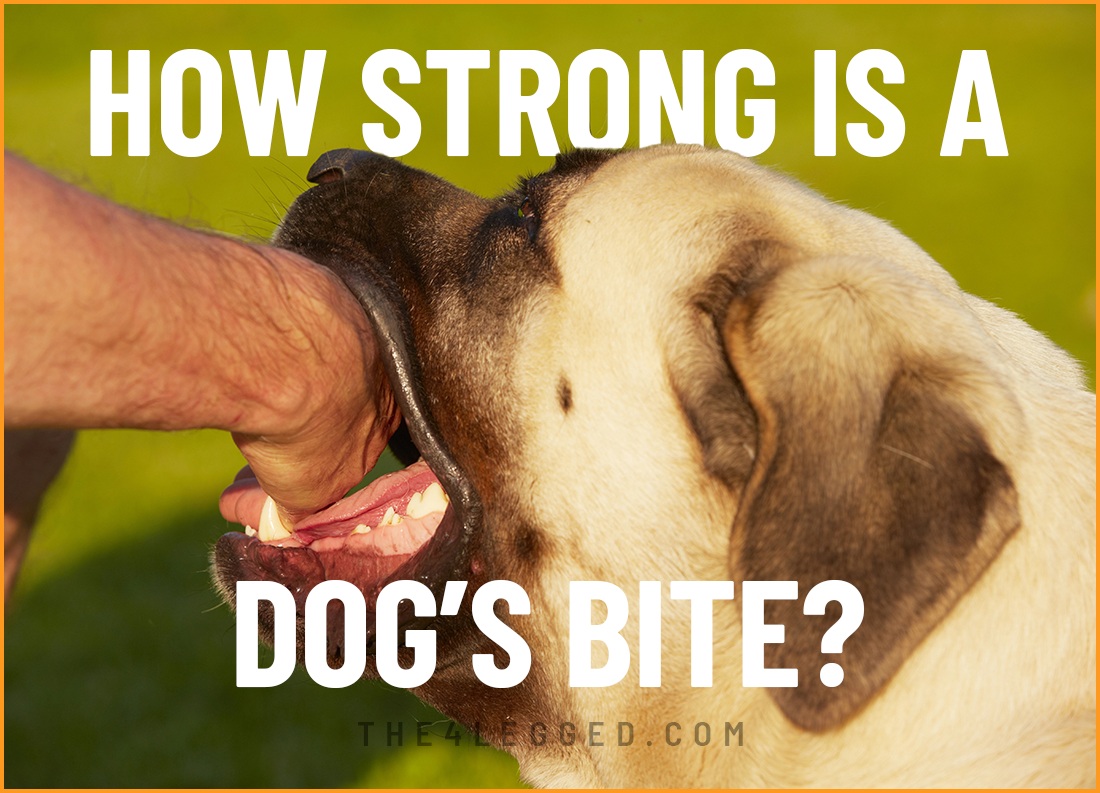
When a Kangal dog bites down, it can generate an astonishing 743 pounds per square inch (PSI)—enough force to crush bone and far more powerful than a human bite. But just how strong is a dog’s bite, and what does that strength really mean for dog owners and everyday interactions?
Understanding how strong a dog’s bite is goes beyond shock value. Bite force varies widely between breeds and is influenced by factors like size, skull structure, genetics, training, and motivation. While some dogs were bred for guarding or livestock protection, bite strength alone does not determine aggression or danger.
In this guide, we’ll break down dog bite force in clear, practical terms—exploring which breeds have the strongest bites, how bite force is measured, how dogs compare to other animals, and what every owner should know about safety and responsibility.
Key Takeaways
- The Kangal dog holds the record for the strongest bite force among domestic dogs, exerting an impressive 743 PSI, which is vital for its role in protecting livestock in native Turkey.
- Bite force varies widely among breeds due to factors like size, skull structure, training, and motivation, with larger, mastiff-type breeds generally possessing the most powerful bites.
- Despite their formidable bite strength, many powerful dogs such as mastiffs and Kangals have gentle temperaments, emphasizing that bite force does not directly equate to aggression or danger.
Understanding Dog Bite Force: The Basics
Dog bite force represents the pressure generated when a dog’s jaw muscles contract, typically measured in pounds per square inch (PSI). This measurement quantifies the concentrated force delivered per unit area when a dog bites down. The average dog bite force ranges from 150-743 PSI depending on the dog breed, with significant variation based on individual characteristics and circumstances.
To put this in perspective, human bite force averages between 120-140 PSI, meaning even moderately strong dog bites exceed human capability. Professional bite force testing uses specialized bite force meters that can accurately measure the pressure exerted during controlled conditions. These instruments capture peak force measurements when dogs bite down on calibrated devices.
However, it’s important to note that individual dogs within the same dog breed can vary significantly in their bite strength. Factors such as age, health, training, and motivation all influence the actual bite force a dog produces during any given bite incident. A trained protection dog may demonstrate 15-20% higher bite force than an untrained dog of the same breed, highlighting how proper training can enhance natural capabilities. In real-world situations, the actual bite force during dog bite incidents often exceeds laboratory measurements. The strength of a dog’s bite can directly impact the severity of injuries caused during such incidents, with higher bite force increasing the risk of more serious injuries.
The bite force measurement system also considers body weight and skull morphology, as these anatomical features directly impact jaw muscle development and leverage. Larger dogs with more massive head structures typically generate higher absolute force measurements, though this doesn’t automatically correlate with aggressive behavior or dangerous tendencies.
Strongest Dog Breeds by Bite Force
The following table presents the top dog breeds ranked by their measured bite force capabilities:
| Breed | PSI Rating | Weight Range | Original Purpose |
|---|---|---|---|
| Kangal | 743 PSI | 100-130 lbs | Livestock guardian, herd livestock, protect sheep |
| Cane Corso | 700 PSI | 90-120 lbs | War and hunting dog |
| English Mastiff | 556 PSI | 120-230 lbs | War and guard dog |
| Dogue de Bordeaux | 556 PSI | 99-110 lbs | Fighting and guarding |
| Tibetan Mastiff | 550 PSI | 70-150 lbs | Livestock protection, protect sheep |
| Rottweiler | 328 PSI | 80-135 lbs | Cattle herding and guarding |
| American Bulldog | 305 PSI | 60-120 lbs | Farm work and protection |
| German Shepherd | 238 PSI | 50-90 lbs | Herd livestock, herding and protection |
| Doberman Pinscher | 228 PSI | 60-100 lbs | Personal protection |
| American Pit Bull Terrier | 235 PSI | 30-65 lbs | Bull baiting (historical) |
These measurements represent the strongest bite force recorded for each breed under controlled testing conditions. Many of these breeds were originally bred for specific working purposes that required powerful bite strength, from protecting livestock to serving as war dogs throughout history.
Breeds like the Kangal and German Shepherd were also used to herd livestock and protect sheep, demonstrating their intelligence and strong protective instincts beyond just their bite force. The Central Asian Shepherd Dog, considered one of the world’s oldest breeds, is known for being a great guard dog due to its natural protective instincts and long history of guarding people and livestock.
While some breeds listed, such as the Akita Inu, are relatively uncommon in the U.S., they are often contrasted with more common breeds in discussions about dog bite cases.
Kangal: The Champion Biter
The Kangal holds the undisputed record for the strongest dog bite among all domestic dog breeds, with a measured bite force of 743 PSI. This Turkish breed was originally developed to guard livestock against predators in the Anatolian region, where their powerful bite proved essential for deterring wolves and other threats. Kangals were also used to herd livestock and protect sheep from predators, highlighting their working role as both herders and guardians.
Kangals typically weigh between 100-130 pounds, with males being significantly larger than females. Their massive head structure and well-developed jaw muscles contribute directly to their impressive bite capabilities. Despite having the highest bite force, Kangals are known for their calm temperament and loyalty to their families, demonstrating that powerful bite strength doesn’t necessarily correlate with aggressive behavior.
The breed’s protective instincts make them excellent guard dogs, though their size and strength require experienced handling. Their bite force measurement of 743 PSI represents nearly six times the pressure of an average human bite, making proper training and socialization absolutely critical for this breed.
Mastiff Breeds and Their Powerful Jaws
Various mastiff breeds consistently rank among the top dogs with the strongest bite force measurements. The English Mastiff, French Mastiff (Dogue de Bordeaux), and Tibetan Mastiff all demonstrate bite forces ranging from 550-700 PSI, reflecting their shared ancestry as war dogs and protectors.
These large breed dogs were historically bred for combat, hunting large game, and protecting property. Their massive head size and extremely muscular jaw structure provide the anatomical foundation for their powerful bite force. The Cane Corso, technically classified as a mastiff-type breed, leads this group with 700 PSI of bite pressure.
Mastiff breeds typically exhibit gentle temperaments despite their formidable bite capabilities. Their size alone makes them effective guard dogs, with their actual bite force serving more as a last resort than a primary deterrent. However, their protective nature and powerful bite make proper training and socialization essential from an early age.
Factors That Determine Bite Strength
Several key factors influence how strong a dog’s bite actually measures during testing or real-world situations. Understanding these variables helps explain why bite force measurements can vary significantly even within the same dog breed.
Dog size and weight represent the most significant determining factors in bite force capability. Heavier dogs with larger frame structures typically possess more developed jaw muscles and greater leverage for generating force. A large dog like an English Mastiff naturally produces more absolute pressure than smaller breeds due to simple anatomical advantages.
Jaw muscle development and skull structure directly impact bite strength potential. Breeds with broader heads and more pronounced muscle attachment points can develop stronger masticatory muscles. The shape of the skull also affects bite mechanics, with certain configurations providing better leverage for force generation.
Genetic factors and selective breeding have enhanced bite force in specific dog breeds over generations. Many protective dogs and guard livestock breeds were deliberately selected for strong bite capabilities, concentrating genes that promote jaw muscle development and bone structure conducive to powerful bites.
Individual variations within breeds occur due to age, health status, and training. Young dogs and senior dogs typically show reduced bite force compared to adults in their prime. Dogs with oral pain, jaw injuries, or muscle atrophy demonstrate measurably weaker bites than healthy individuals.
Bite motivation and circumstances significantly affect measured force during testing. A dog defending its territory or responding to perceived threats may bite with much greater force than the same animal in a clinical testing environment. This is why actual bite force during dog bite incidents often exceeds laboratory measurements.
Bite Force Comparisons: Dogs vs Other Animals
While dogs possess impressive bite force capabilities, comparing their strength to wild predators and other animals provides important perspective on where domestic dogs rank in the natural world.
| Animal | PSI Rating | Classification |
|---|---|---|
| Saltwater Crocodile | 5,000 PSI | Apex predator |
| Hippopotamus | 1,800 PSI | Large herbivore |
| Tiger | 1,050 PSI | Big cat |
| Lion | 650 PSI | Big cat |
| Kangal (strongest dog) | 743 PSI | Domestic dog |
| Gray Wolf | 400 PSI | Wild canine |
| Human | 120-140 PSI | Primate |
This comparison reveals that even the strongest dog bite falls well short of apex predators like crocodiles and large cats. However, domestic dogs still significantly exceed human bite force and match or exceed many wild canines.
The gray wolf, despite being the ancestor of domestic dogs, actually produces less bite force than several modern dog breeds. This demonstrates how selective breeding has enhanced certain physical capabilities beyond what existed in wild populations.
Interestingly, some large herbivores like hippos generate tremendous bite force for defensive purposes, showing that powerful bites aren’t exclusive to predatory animals. The variation across species reflects different evolutionary pressures and survival strategies.
Small Dogs and Surprising Bite Strength
While large breed dogs dominate bite force rankings in absolute terms, smaller dogs can demonstrate surprisingly strong bite capabilities relative to their size. This phenomenon occurs because bite force per pound of body weight can be quite impressive in certain small breeds.
Terrier breeds, originally bred for hunting and prey capture, often possess disproportionately strong jaw muscles for their body size. Jack Russell Terriers, despite weighing only 13-17 pounds, can generate significant pressure when they bite. Their breeding history for going after badgers, foxes, and other prey required substantial bite force relative to their compact size.
Dachshunds represent another example of small dogs with powerful bites. These elongated dogs were originally developed to hunt badgers in burrows, requiring strong jaws to subdue prey much larger than themselves. Their bite force per square inch can surprise people who underestimate their capabilities based on size alone.
It’s crucial not to underestimate small breed bite potential during dog bite incidents. While they may not cause the same severe injuries as large dogs, small dogs can still inflict puncture wounds requiring medical attention. Their quicker bite speed and agility can make them particularly challenging to manage during aggressive episodes.
Many small breeds also demonstrate more frequent bite incidents than larger dogs, possibly due to their size-related anxiety or inadequate training. This emphasizes that bite prevention strategies should apply to all dogs regardless of their absolute bite force measurements.
The Science Behind Measuring Bite Force
Professional bite force measurement employs sophisticated equipment designed to accurately capture peak pressure during canine bites. Bite force meters typically consist of pressure-sensitive plates connected to digital recording systems that can measure force in real-time.
The PSI calculation derives from dividing the total force by the contact area of the bite. This provides a standardized measurement that accounts for variations in tooth size and jaw width between different dog breeds. Modern equipment can capture measurements with precision down to individual Newtons or fractions of PSI.
Testing procedures involve several important variables that can affect results. The dog’s motivation level during testing significantly impacts measured force, as animals may not bite with maximum effort in laboratory settings. The bite angle and jaw position also influence measurements, since dogs naturally adjust their bite mechanics based on the target.
Research limitations include the difficulty of capturing truly maximum bite force from willing subjects. Most dogs in testing environments don’t bite with the same intensity they might demonstrate during actual protective situations or prey capture. This means laboratory measurements often represent conservative estimates rather than absolute maximum capabilities.
Real-world dog bite cases may involve forces substantially different from controlled testing results. Factors like adrenaline, defensive responses, and sustained pressure over time can all influence the actual forces involved in bite incidents outside laboratory conditions.
Bite Force vs Aggression: Important Distinctions
A critical misconception suggests that dogs with the strongest bite force are automatically the most dangerous or aggressive. This assumption fails to account for the significant difference between physical capability and behavioral tendencies.
Many breeds with powerful bite force, including English Mastiffs and other large breed dogs, are known for their calm, gentle temperaments. These dogs were bred for protection and deterrent effects, with their imposing size and potential bite strength serving to discourage threats rather than actively engage them.
Conversely, certain dog breeds with relatively weaker bite measurements may display more frequent aggressive behavior. Smaller dogs sometimes compensate for their physical limitations with increased assertiveness or territorial responses. This means that bite incidents involving smaller breeds can be more common than those from powerful biters.
Proper training, socialization, and environmental factors play crucial roles in determining a dog’s likelihood to bite. A well-trained German Shepherd or Rottweiler with powerful bite capabilities may be significantly safer than an improperly socialized small breed with weaker bite force but higher aggression tendencies.
The distinction between potential and practice is essential for responsible dog ownership. Understanding that powerful bite force represents capability rather than intention helps owners focus on appropriate training and management rather than breed-based assumptions.
Other Dogs: Wild Canines and Rare Breeds
The canine family extends far beyond the most popular dog breeds, encompassing both wild canines and rare domestic breeds that display remarkable bite force and unique adaptations. While breeds like the Kangal and Cane Corso often dominate discussions about the strongest bite, several lesser-known dogs and their wild relatives also possess impressive bite strength worth exploring.
Wild canines such as the African wild dog, dingo, and coyote have evolved powerful jaws to survive in challenging environments. The African wild dog, for example, is renowned for its cooperative hunting strategies and strong bite, which allows it to bring down prey much larger than itself. While their exact bite force in pounds per square inch (PSI) is less frequently measured than domestic breeds, their bite strength is sufficient to crush bone and tear through tough hides, reflecting their role as apex predators in their native habitats.
The dingo, native to Australia, is another wild canine with a robust jaw structure. Although smaller than many large breed dogs, dingoes rely on their bite force to hunt and scavenge, demonstrating how natural selection shapes jaw muscles and bite mechanics for survival. Coyotes, widespread across North America, also exhibit strong bite strength relative to their size, enabling them to tackle a wide range of prey.
Rare dog breeds can also surprise with their powerful bite force. The Alabai, or Central Asian Shepherd Dog, is a prime example—originally bred to guard livestock across vast Eurasian steppes, this breed boasts a formidable jaw and protective instincts similar to the Kangal. The Presa Canario, a rare breed from the Canary Islands, was initially bred for working livestock and guarding property, and is known for its muscular build and strong bite.
Another notable mention is the Czechoslovakian Wolfdog, a hybrid breed developed from German Shepherds and Carpathian wolves. This breed combines the intelligence and trainability of domestic dogs with the physical prowess and bite strength of its wild ancestors, making it a unique addition to the world of powerful dogs.
These wild canines and rare breeds highlight the incredible diversity within the dog family. Their bite force and jaw strength are shaped by centuries of evolution or selective breeding for specific tasks—whether it’s hunting, guarding, or surviving in the wild. While they may not be as common as the German Shepherd or American Pit Bull Terrier, their natural tendencies and physical capabilities make them fascinating examples of canine adaptation.
Understanding the bite strength of these other dogs not only broadens our appreciation for the canine world but also reinforces the importance of proper training, responsible ownership, and respect for the natural instincts present in every dog breed—whether rare, wild, or widely recognized.
Dog Bite Safety and Prevention
Understanding how strong a dog’s bite can be emphasizes the importance of proper safety measures and bite prevention strategies. Whether dealing with dogs that have the strongest bite force or smaller breeds, following proven safety protocols can prevent most dog bite incidents.
Proper behavior around unfamiliar dogs includes avoiding direct eye contact, moving slowly and calmly, and never attempting to pet a dog without owner permission. Children should be taught to ask before approaching any dog and to recognize when a dog wants to be left alone.
Warning signs of potential aggression include raised hackles, stiff body posture, direct staring, growling, or baring teeth. Dogs showing these signs should be given space immediately, regardless of their breed or size. Even gentle dog breeds can bite when they feel threatened or cornered.
Child safety protocols are particularly important around dogs with powerful bite force. Supervision is essential when children interact with large breed dogs, and children should learn appropriate dog interaction techniques. Teaching children not to disturb dogs while eating, sleeping, or caring for puppies prevents many bite incidents.
Immediate first aid for dog bites includes cleaning wounds thoroughly with soap and water, applying antibiotic ointment, and covering with sterile bandages. Deep puncture wounds, any bite from an unknown dog, or wounds showing signs of infection require immediate medical attention. Serious injuries from dogs with powerful bite force may need emergency treatment. After a dog attack, it is important to seek medical attention promptly and document the incident for legal and safety reasons.
Dog owners should ensure their pets receive proper training and socialization from early ages. Even dogs bred as guard dogs or protective dogs can learn appropriate bite inhibition and social behavior through consistent training programs.
Legal Implications of Strong Dog Bites
Dog bite cases involving breeds with powerful bite force often carry significant legal implications for dog owners. Understanding liability laws and insurance considerations becomes particularly important for owners of dogs capable of causing severe injuries.
Owner liability varies significantly by state, with some jurisdictions following “one bite rules” while others impose strict liability. Under strict liability laws, dog owners are responsible for bite incidents regardless of the dog’s previous behavior or the owner’s knowledge of aggressive tendencies. The severity of injuries from dogs with the strongest bite force can result in substantial damage awards. Dog owners may be held legally responsible for injuries caused by their pets, especially when severe injuries result from a strong bite force.
Insurance considerations become complex for owners of certain dog breeds known for powerful bite force. Many insurance companies exclude specific breeds from coverage or require additional riders for protection. American Pit Bull Terriers, Rottweilers, and other breeds with strong bite force measurements may face coverage restrictions.
Breed-specific legislation in some municipalities restricts or bans ownership of dogs with particularly powerful bite capabilities. These laws often target fighting dogs historically or breeds classified as dangerous dogs by local authorities. Owners should research local regulations before acquiring dogs known for strong bite force.
Documentation requirements following any dog bite incident include preserving medical records, witness statements, and any available evidence. The powerful bite force of large breed dogs can result in serious injuries requiring extensive medical treatment and potentially costly medical expenses for victims.
Responsible ownership practices, including proper training, secure containment, and adequate insurance coverage, help protect both owners and the public from the legal consequences of dog bite cases. Personal injury lawyers and personal injury attorneys often handle cases involving severe injuries from dogs with powerful bite force, making prevention the most effective approach.
Working with professional trainers becomes particularly important for owners of guard dogs, war dogs, or any breeds originally bred for protection work. These dogs require specialized handling techniques that account for their natural tendencies and physical capabilities.
Understanding that bite force measurements represent potential rather than inevitability helps create realistic expectations for dog ownership. Even the most powerful bite force becomes irrelevant when proper management prevents bite incidents from occurring.
The emotional trauma and medical expenses associated with severe dog bite incidents emphasize why prevention strategies should be the primary focus for all dog owners. Whether dealing with a Siberian Husky bred to pull sleds or a Cane Corso originally bred for protection, responsible ownership practices remain the most effective way to prevent tragic outcomes.
For those considering protective dogs or guard livestock duties, understanding bite force capabilities helps inform breed selection while emphasizing that temperament and training matter more than raw physical capability. The strongest dog bite becomes a liability rather than an asset without proper control and appropriate application.
This comprehensive understanding of canine bite force provides dog owners, potential adopters, and the general public with factual information needed to make informed decisions about dog interaction and ownership. Whether fascinated by the Kangal’s record-setting 743 PSI bite or concerned about bite prevention around any dog breed, knowledge remains the foundation of safe and responsible dog relationships.
The relationship between humans and dogs has evolved over thousands of years, from ancient war dogs to modern family companions. Understanding capabilities like bite force helps maintain this relationship safely while appreciating the remarkable abilities that selective breeding has produced in domestic dogs. From the gentlest family pet to the most dedicated protection dog, every animal deserves respect for both its potential and its individual character.
Summary
Understanding how strong a dog’s bite can be offers valuable insight into canine anatomy, behavior, and responsible ownership. While breeds like the Kangal and Cane Corso possess extraordinary bite force, strength alone does not determine aggression or danger. Bite force reflects physical capability, while behavior is shaped by training, socialization, and environment.
Even the strongest dog bites fall far short of apex predators yet still exceed human capability, highlighting the importance of safety awareness around all dogs—regardless of size or breed. By separating myth from science and prioritizing education, training, and prevention, dog owners can appreciate canine strength while fostering safe, respectful relationships.
Want to learn more about dog behavior, safety, and breed traits?
Explore our expert dog guides to make informed, responsible choices for you and your dog.
Frequently Asked Questions
How strong is a dog’s bite compared to a human’s?
A dog’s bite force varies by breed but generally ranges from 150 to 743 pounds per square inch (PSI). In comparison, the average human bite force is about 120-140 PSI. For example, the Kangal dog has the strongest recorded bite force at 743 PSI, which is nearly six times stronger than a human bite.
Which dog breed has the strongest bite?
The Kangal dog holds the record for the strongest bite force among domestic dogs, exerting an impressive 743 PSI. This breed was originally bred to protect livestock in Turkey and is known for its powerful jaw strength combined with a calm temperament.
Does a stronger bite mean a dog is more aggressive?
Not necessarily. Bite strength indicates physical capability, not behavior. Many breeds with powerful bites, such as mastiffs and Kangals, are known for gentle temperaments. Aggression depends more on training, socialization, and environment than on bite force alone.
What should I do if I am bitten by a dog?
If bitten, it is important to clean the wound immediately and seek medical attention, especially if the bite is deep or shows signs of infection. Document the incident, including details about the dog and the circumstances, and consult a medical professional to prevent complications.
How can I prevent dog bite incidents?
Preventing dog bites involves proper training and socialization of dogs, understanding canine body language, supervising interactions between dogs and children, and avoiding unfamiliar dogs without owner permission. Recognizing warning signs of aggression and teaching safe behavior around dogs are crucial for safety.