
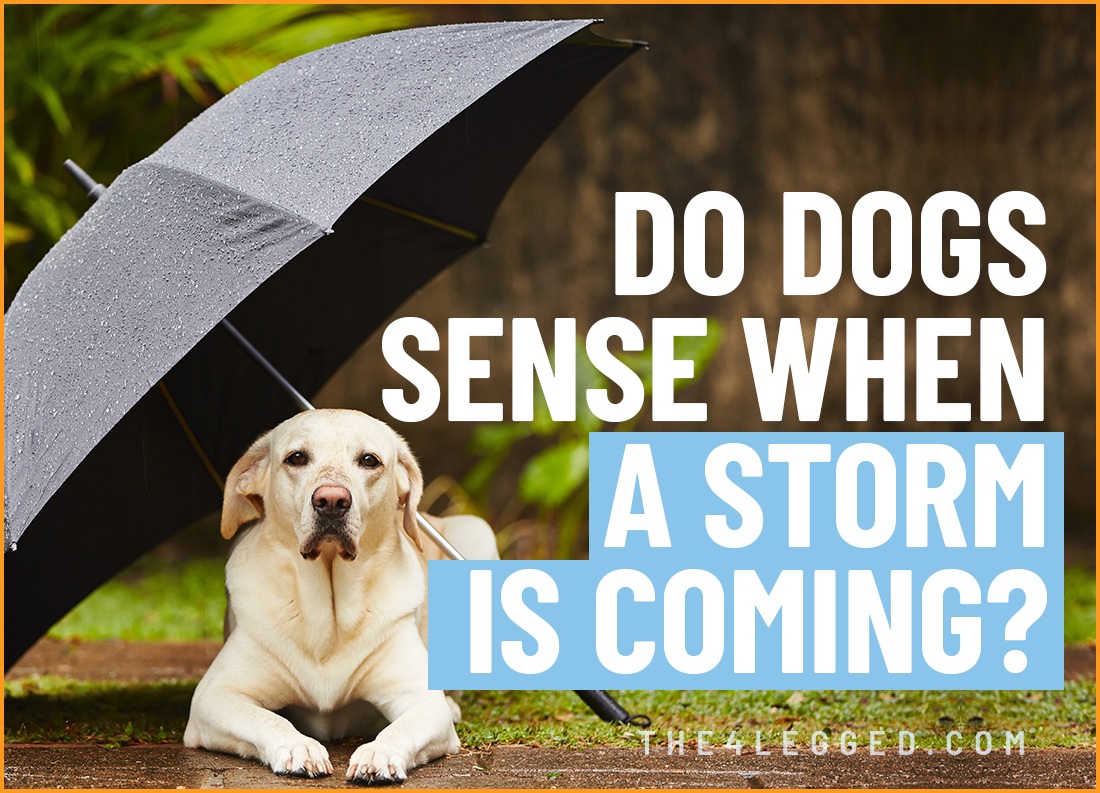
If you’ve ever watched your dog suddenly become restless on a clear afternoon, only to hear thunder rumbling an hour later, you’re not imagining things. Many pet owners wonder whether their dogs can sense when bad weather is approaching—and the answer is a resounding yes for most canines. Understanding how dogs detect impending weather changes can help you prepare your home, calm your anxious pup, and even use your dog’s behavior as an early warning system.
Key Takeaways
- Dogs sense storms before humans through their superior senses of smell, hearing, sensitivity to barometric pressure changes, and detection of static electricity buildup.
- Common signs your dog senses a storm include pacing, hiding, panting, trembling, and seeking close contact or shelter.
- Providing a safe, comforting space, using calming tools, and practicing desensitization techniques can help reduce your dog’s storm anxiety and keep them calm during bad weather.
Quick Answer: How Dogs Sense an Approaching Storm
Dogs often sense storms well before humans notice any signs, relying on their superior senses of smell, hearing, and heightened sensitivity to barometric pressure changes and static electricity. When barometric pressure drops ahead of a storm front, dogs may feel discomfort in their ears or joints. Their ears can pick up distant thunder at frequencies far beyond human hearing range, and their nose detects ozone and the distinct smell of approaching rain carried on the wind. A dog’s smell tells them about atmospheric changes, such as ozone and humidity, which serve as natural warning signals for an impending storm.
These sensory cues trigger behaviors that owners commonly see before a storm: pacing, hiding in closets or bathrooms, staying close to family members, or trying to seek shelter in enclosed spaces. Some dogs may try to hide in their safe place, such as their crate, under a bed, or behind the sofa when they sense a storm. Dogs may also want to stay close to their owners for comfort and reassurance during storms. While not every dog reacts—some stay calm through even the loudest thunderstorms—there is strong observational and scientific support showing that many dogs can detect storms 15 to 60 minutes before humans notice anything unusual.
Cats, like dogs, can also sense storms and may display similar behaviors such as hiding or seeking comfort.
How Dogs Detect Storms: The Science Behind Their Senses
Dogs sense storms through four primary mechanisms: sensitivity to barometric pressure, exceptional hearing that picks up low-frequency sounds, an incredible sense of smell that detects atmospheric changes, and perception of static electricity building in their coat. These abilities aren’t magical—they evolved from dogs’ ancestry as outdoor animals that needed early warning of severe weather to survive.
Veterinarians and animal behaviorists widely accept that these sensory cues explain why dogs act strangely before thunderstorms, even though individual responses vary significantly. Some dogs begin showing signs of distress or alertness 10 to 60 minutes before local weather radar indicates a storm overhead. Understanding each of these sensory systems helps explain why your dog might begin acting differently long before you hear the first crack of thunder.
Barometric Pressure Sensitivity
Barometric (atmospheric) pressure is the weight of the air pressing down on the Earth’s surface, and it typically drops before thunderstorms and strong weather fronts move through an area. Dogs likely feel these pressure drops through their ears, joints, and sinuses—areas where subtle changes in external pressure can create noticeable physical sensations.
Consider a common scenario: your dog becomes restless and clingy on a sunny summer afternoon, following you from room to room. Hours later, a thunderstorm rolls through. While we haven’t identified a specific “barometer organ” in dogs, the repeated pattern of behavior changes before storms strongly suggests genuine sensitivity to these pressure shifts.
Dogs’ inner ears are acutely sensitive to pressure variations that humans only detect during extreme scenarios like airplane takeoffs.
If you’re curious about your dog’s sensitivity, try tracking their behavior alongside a local barometer reading or weather app over several weeks. You may start noticing patterns that confirm your dog picks up on barometric pressure changes before you see clouds forming.
Super-Hearing: Detecting Distant Thunder
Dogs hear a much wider frequency range than humans—up to 40,000 to 60,000 hertz compared to our 20 to 20,000 hertz limit. This means they can pick up low-frequency rumbles from distant thunder that our ears simply cannot detect. Thunder can travel dozens of miles through the atmosphere, so your dog might react to a coming storm long before you consciously hear anything.
Common pre-storm reactions linked to sound include:
- Pricked ears and head tilting
- Freezing in place or sudden alertness
- Moving to another room or seeking a hiding spot
- Whining or restlessness without obvious cause
Some dogs may become scared by the loud noises and environmental changes, which can cause them to hide or seek protection.
Picture this: your dog starts shaking or pacing on an otherwise calm evening while you’re watching television. An hour later, you finally hear rumbling and see lightning on the horizon. Your dog wasn’t being dramatic—they simply heard what was coming before you could.
Dogs that already show sensitivity to loud noises like fireworks, construction sounds, or vacuum cleaners are more likely to react strongly when they detect distant thunder.
Incredible Sense of Smell: Ozone, Rain, and Changing Air
Dogs have roughly 300 million scent receptors compared to our mere 6 million, giving them an almost incomprehensibly powerful sense of smell. This allows them to detect subtle atmospheric changes that occur before storms arrive—changes completely invisible to humans.
Lightning produces ozone, which has a distinct sharp, metallic smell. Rising humidity and the first raindrops hitting dry ground also create noticeable scent signatures. Your dog’s nose tells them about weather changes in several ways:
| What Dogs Smell | What It Signals |
|---|---|
| Ozone from lightning | Electrical storm activity |
| Petrichor (rain on dry ground) | Approaching precipitation |
| Increased humidity | Changing weather front |
| Wind-carried moisture | Distant rain moving closer |
You might notice your dog sniffing the air intently, repeatedly licking their nose, or pausing during a walk 20 to 30 minutes before you feel the first drops of rain. Scent from distant rain and wet soil can drift ahead of a storm front for many kilometers, giving dogs significant early warning time.
Static Electricity and the “Tingling Coat” Effect
Storm clouds—especially during summer thunderstorms—create strong electric fields that build static charge in a dog’s fur. This static electricity produces sensations that can range from mild tingling to small shocks when touching metal objects, creating discomfort that the dog cannot escape while outdoors. Lightning, a form of light, generates static shocks and ozone smells that dogs can detect, which contributes to their ability to sense when a storm is coming.
Research from Dr. Nicholas Dodman, director of the Animal Behavior department at Tufts University Cummings School of Veterinary Medicine, found that dogs experience multiple static shocks during storms. This drives many dogs to seek out grounded, enclosed spaces where static effects are reduced:
- Bathrooms with porcelain tubs (porcelain blocks electrical conduction and can block static shocks from lightning)
- Basements with concrete floors
- Under metal-framed beds
- Behind toilets or in shower stalls
This explains why some dogs bolt for the bathroom even before the first thunder—the static buildup in their coat creates immediate discomfort that they’ve learned to escape by finding grounded surfaces.
Behavioral Signs Your Dog Senses a Storm Coming
Behavior changes are often the first clue owners get that their dog has detected an approaching storm. These signs can appear anywhere from a few minutes to over an hour before the storm actually reaches your neighborhood. Some dogs remain calm throughout storms, while others show very strong reactions that may indicate storm anxiety or a developing phobia.
Learning to read your dog’s signals helps you prepare and provide support before the weather intensifies.
Common Pre-Storm Behaviors
Physical signs that may appear while the sky still looks clear include:
- Pacing back and forth through the house
- Panting heavily without exercise
- Trembling or shaking
- Pinned-back ears and wide, worried eyes
- Excessive yawning or drooling
- Sudden, intense attention toward windows or doors
Hiding behaviors are also common indicators:
- Crawling under beds or squeezing behind furniture
- Staying in closets, bathrooms, or basement corners
- Refusing to leave a crate or enclosed space
- Scratching at doors to get into interior rooms
Many dogs also become unusually clingy—following family members from room to room, trying to climb into laps, or pressing their body against people. Some dogs experience house-training accidents or show reluctance to go outside for bathroom breaks, immediately wanting to return indoors.
Keeping a simple “storm journal” noting time, weather conditions, and your dog’s behaviors over several weeks can help confirm whether your dog consistently reacts before storms arrive.
Storm Anxiety vs. Normal Caution
Normal caution looks like mild restlessness, seeking a quiet spot, or staying close to family members—behaviors that stop quickly once the storm passes. This represents a healthy, adaptive response to environmental changes.
Storm phobia, on the other hand, involves much more intense reactions:
| Normal Caution | Storm Anxiety/Phobia |
|---|---|
| Mild restlessness | Intense, uncontrollable trembling |
| Seeking quiet spaces | Relentless pacing for hours |
| Staying near owners | Frantic escape attempts |
| Slight appetite decrease | Complete refusal to eat |
| Calm within minutes after storm | Distress lasting hours after weather clears |
Behavioral modification techniques can help dogs break the cycle of fear during storms. Tools like storm shirts (calming wraps) are also available and can help calm dogs by providing a sense of being hugged.
Dogs with severe thunderstorm anxiety may engage in destructive behavior like clawing at doors, breaking through window screens, or attempting to jump fences—putting themselves at risk of injury or becoming lost. If your dog’s fear prevents them from eating, sleeping, or staying safe during storms, they’ve moved beyond normal caution into territory that needs intervention.
Recording short videos of your dog’s storm behavior can help a vet or behavior professional assess severity if you’re unsure whether your dog’s reactions fall within a normal range.
Why Some Dogs Are More Sensitive to Storms Than Others
Breed, age, past experiences, and general temperament all influence how strongly a dog reacts when they sense storms approaching. Some dogs appear genetically predisposed to noise sensitivity or anxiety, while others barely react even during frequent, intense thunderstorms. Dogs living in storm-prone regions—like the US Midwest during summer or coastal areas during hurricane season—may develop stronger or clearer patterns of response over time.
A wide range of reactions can still fall within a healthy spectrum, so owners shouldn’t worry if their dog shows more or less sensitivity than other dogs they know. However, if owners appear overly concerned or anxious during storms, it can increase their dog’s anxiety.
Breed and Temperament Factors
Herding and working breeds are often described as more sound-sensitive and vigilant:
- Border Collies
- Australian Shepherds
- German Shepherd Dogs
- Shetland Sheepdogs
These breeds were historically selected for alertness to environmental changes, which may translate to heightened storm awareness. Naturally anxious, timid, or highly attached dogs also tend to show stronger storm-related reactions than calm, independent individuals.
Mixed-breed dogs can be equally sensitive—no breed is completely immune to storm fear. If you have a young dog experiencing their first storm season, pay extra attention to their reactions. Early experiences often shape long-term patterns, making this a critical window for building positive associations.
Experiences and Learning History
Dogs who experienced traumatic events during past storms often develop stronger fear responses. These events might include:
- Being left alone outdoors during severe weather
- Hearing extremely loud, close lightning strikes
- Witnessing property damage or human panic
- Losing access to shelter during a storm
Puppies and rescue dogs going through their first severe storm season can form lasting associations between thunder and fear if their early experiences are negative. How humans react during storms also matters—owners who remain calm help their dogs feel more secure, while frantic or angry human behavior can intensify a dog’s anxiety.
Staying calm and maintaining normal routines during storms teaches your dog that thunder isn’t a reason to panic.
Early, gentle exposure to mild storms paired with positive experiences (treats, play, attention) may help reduce sensitivity before it becomes established.
How to Help a Dog That Senses and Fears Storms
Once you recognize your dog’s early storm signals, you can prepare your home and reduce their distress before the weather arrives. There’s no single solution that works for every dog—most benefit from a combination of environmental changes, training techniques, and sometimes products or medication.
Safety should always come first. Preventing escape, injury, or self-harm during panic episodes takes priority over everything else.
Creating a Safe, Storm-Proof Space
Choose a quiet, interior room as your dog’s “storm haven.” Good options include:
- Bathrooms (especially those with bathtubs)
- Walk-in closets
- Basement corners
- Spaces under sturdy tables or desks
- Interior hallways away from windows
Furnish the space with items that provide comfort:
- Your dog’s bed or crate with the door left open
- Familiar blankets that smell like home
- Owner-scented clothing (a worn t-shirt works well)
- Favorite chew toys or food puzzles to provide distraction
- A water bowl
Block lightning flashes by closing blinds or curtains and dimming overhead lights to create a den-like environment. Use background noise from soft music, white noise machines, or talk radio to mask the sound of distant thunder and wind against the windows.
Let your dog choose whether to stay in their safe place or remain near you—forcing them into a specific location can increase stress rather than reduce it.
Desensitization and Counter Conditioning
Desensitization involves gradually exposing your dog to low-level storm sounds paired with rewards, teaching them that storm-like noises predict good things rather than danger. Counter conditioning changes their emotional response from fear to positive anticipation.
A basic process looks like this:
- Find high-quality thunder and rain recordings online
- During calm, relaxed times, play the sounds at barely audible volume
- While sounds play quietly, give your dog treats, play games, or practice favorite tricks
- Over several weeks, gradually increase the volume
- If your dog shows any sign of fear, reduce volume and progress more slowly
The key is going slowly enough that your dog never shows signs of distress during practice sessions. If they begin pacing, panting, or trying to leave, you’ve moved too fast.
Integrating games, training cues, and food puzzles during these sessions builds positive emotional associations with storm-like sounds. For dogs with established phobias or complex anxiety histories, working with a qualified trainer or veterinary behaviorist produces better results than attempting this process alone.
Calming Wraps, Pheromones, and Other Tools
Several products may help dogs feel calm during storms:
Pressure wraps and anxiety vests apply gentle, continuous pressure similar to swaddling an infant. Some dogs show noticeable relaxation when wearing these garments.
Pheromone products mimic natural calming signals:
- Dog appeasing pheromone (DAP) collars
- Plug-in diffusers for safe spaces
- Sprays for bedding or bandanas
Anti-static measures may help dogs particularly sensitive to electrical buildup:
- Anti-static sprays on bedding
- Cotton rather than synthetic fabric beds
- Allowing access to grounded surfaces like bathroom floors
Responses to these tools vary significantly—some dogs show dramatic improvement, while others experience only mild or no benefit. Introduce any new products well before peak storm season rather than during your dog’s first severe thunderstorm of the year.
Short-Term and Long-Term Medications
For dogs with severe storm anxiety, veterinarians may prescribe medications to help them relax during weather events:
| Medication Type | When Used | Notes |
|---|---|---|
| Fast-acting anti-anxiety drugs | Given before or at storm onset | Requires timing with weather forecasts |
| Daily anxiety medications | Ongoing for dogs with multiple anxiety issues | May help separation anxiety and noise phobia |
| Sedatives | Severe cases only | Does not reduce fear, only prevents movement |
Only a licensed vet should determine which medication, dosage, and schedule are appropriate—especially for older dogs or those with heart, kidney, or liver conditions. Discuss your area’s typical storm patterns (like frequent evening thunderstorms in late summer) so medication timing can be planned effectively.
Medication works best when combined with environmental modifications and behavior training, not as a standalone solution.
When to Talk to Your Veterinarian or Behavior Professional
Professional input becomes essential whenever storm fear puts your dog or household at risk. Clear indicators that it’s time to seek help include:
- Self-injury during storms (broken nails, cuts from escape attempts)
- Destructive behavior targeting doors, windows, or crates
- Escape attempts that could result in your dog becoming lost
- Panic that continues long after a storm passes
- Refusal to eat or drink for extended periods during storm season
Bring detailed descriptions or videos of your dog’s pre-storm and during-storm behavior to appointments. This information helps veterinarians and behaviorists understand the severity and pattern of your dog’s distress.
Vets can also rule out medical issues that might worsen storm reactions—pain conditions, hearing problems, or cognitive decline in senior dogs can all amplify anxiety responses. Seeking help before peak storm season gives time for training protocols and medications to take effect.
Summary
Dogs can sense storms long before humans through their sensitivity to barometric pressure changes, their ability to hear distant thunder, their powerful sense of smell, and their awareness of static electricity building in the environment. These instincts explain common pre-storm behaviors like pacing, hiding, trembling, or seeking extra closeness and comfort from their owners.
By recognizing these early signals, you can prepare a calm, secure environment, use training and desensitization techniques, and, when needed, work with professionals to manage storm anxiety and keep your dog safe. Ultimately, your dog’s storm-sensing behavior is a form of communication about how they feel—and responding with patience and support strengthens your bond in all kinds of weather.
For more practical tips, expert-backed guidance, and resources to support your dog through storm season and beyond, check out this comprehensive dog care resource.
Frequently Asked Questions
Do dogs really sense when a storm is coming?
Yes, dogs have superior senses that allow them to detect storms before humans. They can sense drops in barometric pressure, hear distant thunder, smell ozone and rain, and feel static electricity buildup, all of which signal an approaching storm.
Why do some dogs get anxious during storms?
Many dogs experience storm anxiety or storm phobia due to their sensitivity to loud noises like thunder, changes in barometric pressure, and static electricity. Past traumatic experiences with storms can also increase their fear and anxiety levels.
How can I help my dog stay calm during a thunderstorm?
Creating a safe, quiet space with familiar items, using calming tools like Thundershirts or pheromone collars, providing background noise, and practicing desensitization techniques can help reduce your dog’s storm anxiety and keep them calm.
Can all dogs sense storms equally?
No, sensitivity varies by breed, age, temperament, and past experiences. Some breeds are more sound-sensitive or anxious, while others remain calm. Individual dogs also differ in how strongly they react to approaching storms.
When should I consult a veterinarian about my dog’s storm anxiety?
If your dog shows severe fear, destructive behavior, attempts to escape, or panic lasting long after storms pass, it’s time to consult a vet or behavior specialist. They can recommend behavior therapies or medications to help manage your dog’s anxiety.