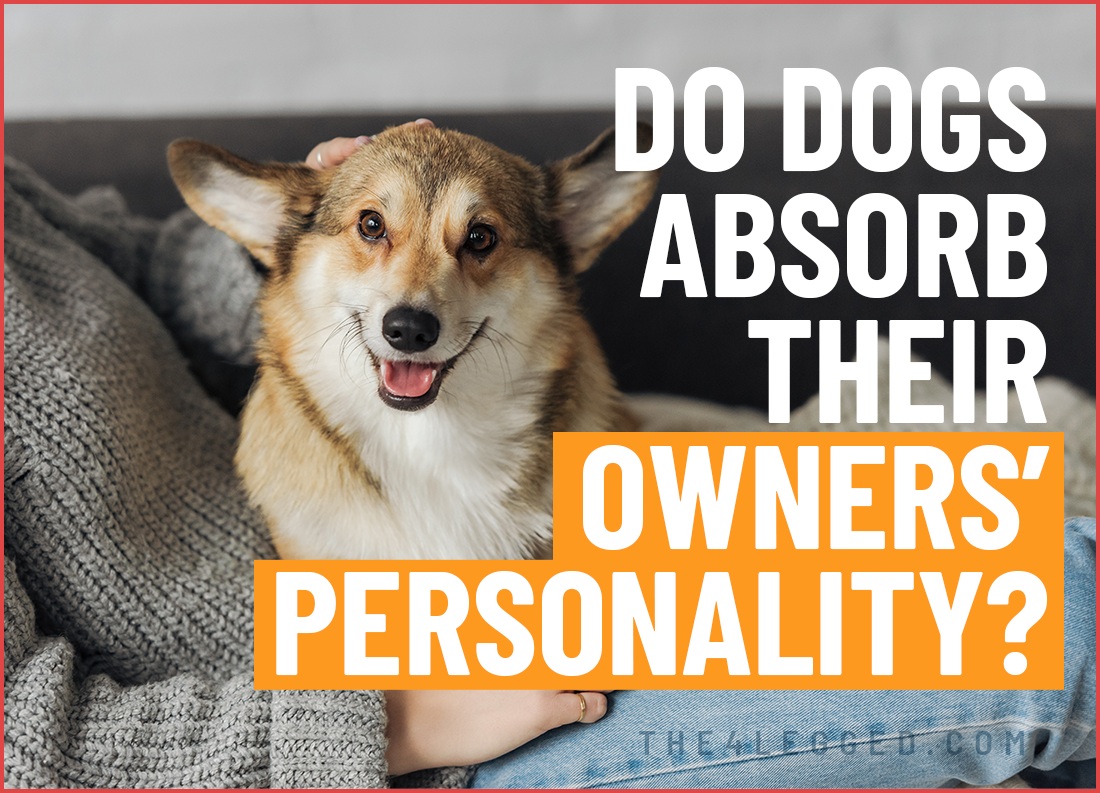
The idea that dogs may absorb or resemble their owners’ personalities is now supported by scientific research. Ongoing discussion and thoughtful analysis of scientific findings have deepened our understanding of this phenomenon, especially regarding emotional mirroring and canine stress. A recent study consolidates evidence that dogs and their owners often share personality similarities, highlighting both behavioral and physical correlations.
Scientific studies show that canine companions form a close emotional and behavioral bond with their human companions, often mirroring human emotions and stress levels. This demonstrates the shared physiological and psychological experiences between dogs and people.
In this article, you’ll discover how alike you and your dog really are, why this happens according to researchers, and what you can do to help your pup thrive alongside you. We will also explore how neurotic owners influence their dogs’ stress responses, the development of personality similarities over time, and practical steps for nurturing a positive relationship.
Key Takeaways
- Dogs and their owners often develop similar personalities and stress levels through shared experiences, shared lifestyles, emotional bonding, and mutual influence.
- Owner selection, daily routines, and training methods play significant roles in shaping a dog’s personality to align with their human companion.
- Managing both owner and dog stress positively impacts the well-being of the entire household, fostering a stronger, healthier bond.
How Similar Are Dogs and Their Owners, Really?
Consider a quiet, introverted person who adopts a reserved Shiba Inu versus a marathon runner who brings home a high-energy Border Collie. In both cases, you’ll often see the dog’s tendencies mirror the owner’s—not because they started identical, but because their daily lives shape them in similar directions. For instance, active dogs with active owners face a lower risk of age-related chronic illnesses like hip dysplasia.
As man’s best friend, dogs form a deep emotional connection and companionship with their owners, strengthening the bond that allows personalities to influence each other over time.
That said, dogs and owners differ in many ways, with individual quirks shaped by genetics, early socialization, and unique experiences. A dog’s personality reflects both nature and nurture, with the owner playing a significant role in that nurture component.
Why Are Dog and Owner Personalities Linked?
The similarities between dogs and owners don’t happen by accident. Three main factors contribute to this pattern: choice, environment, and emotional learning. Dogs and owners often act in ways that reflect each other’s personalities, developing shared behavioral profiles over time.
In a shared environment, both dogs and owners influence how they behave, responding to each other’s emotional and social cues. This mutual influence is shaped by daily interactions, observational learning, and emotional convergence.
Training and household dynamics are also shaped by established rules and principles. Dogs are easier to train when their owners are conscientious, positive, and patient. High scores in conscientiousness and openness in owners are linked to better dog trainability and lower fear of strangers. These rules and owner traits help foster a strong bond and positive behavioral outcomes in dogs.
Owner Selection Sets the Stage
People often—consciously or unconsciously—pick dogs whose temperament, energy level, and even appearance feel familiar or complementary to their own. This is known as self-similarity bias in psychology. A quiet person seeking a calm household might gravitate toward an older shelter dog with a mellow disposition, while an outdoorsy adventurer might seek out an athletic breed that can keep up on trails.
Multiple surveys confirm this preference: owners frequently report choosing dogs that “fit their lifestyle,” which typically translates to a personality and energy match. Research has even shown that people can correctly match photos of owners and their dogs above chance levels, using only the eye region of the photos—suggesting we’re drawn to animals that somehow resemble us.
Shared Lifestyle Shapes Both Parties
Once the dog comes home, daily routines begin sculpting both human and dog. Dogs adapt to what their owners actually do—sleep schedule, activity level, social interactions—so over the course of their life with their owner, similar tendencies emerge in both.
An active owner who runs every morning, hosts frequent gatherings, and maintains an upbeat household creates an environment where a dog naturally becomes more excitable and socially bold. Meanwhile, a quieter owner who works from home and keeps a predictable, low-stimulation routine often ends up with a more relaxed, calm dog.
Bidirectional Influence Creates Feedback Loops
The relationship runs both ways. Owners shape dogs through training style, tone of voice, and daily interactions. But dogs in turn reinforce or challenge owner traits. An anxious dog that barks at every noise can be responsible for making a slightly anxious person even more vigilant, creating a shared climate of stress.
Certain breeds tend to attract specific owner types. Herding dogs like Border Collies or Shetland Sheepdogs, known for their drive and sensitivity, often appeal to owners with high energy or neuroticism who appreciate the dogs’ intensity. A graduate student under deadline pressure might bond with a high-strung Weimaraner—and both may feed each other’s restless energy.
How Dogs Mirror Human Emotions and Stress
Beyond stable personality traits, dogs are especially good at mirroring emotional states like worry, calmness, and excitement, often through both body language and physiological responses. This process involves empathy, as dogs and their owners can reflect each other’s emotional states. For example, dogs can smell cortisol released by humans, which raises their own stress levels, and positive interactions between dogs and owners trigger mutual release of oxytocin, reinforcing shared emotional states. Dogs have an ability to read and match human emotions, often becoming anxious when their owners are anxious. They frequently try to comfort and calm upset owners, responding to subtle cues such as physical contact or distraction attempts. Chronic anxiety in owners can even lead to behavior problems in dogs, such as inappropriate urination and destructive tendencies. This ability developed over at least 15,000 years of co-evolution with humans, giving dogs a remarkable capacity to read and respond to human emotions.
The Cortisol Connection
A recent study from Sweden measured hair cortisol in dogs and their owners over extended periods. Cortisol is a stress hormone, and its levels in hair reflect long-term stress rather than momentary mood. The researchers found that cortisol levels in dogs and owners were synchronized—when owners showed signs of chronic stress, their dogs did too.
This effect was particularly pronounced in competition dogs and during winter months when both species spent more time indoors together. Most striking: owners with higher neuroticism scores had dogs with elevated long-term cortisol, even after accounting for the dogs’ own temperament. The emotional climate of the household appears to physically alter the dog’s stress physiology.
Real-World Signs of Stress Mirroring
You’ve likely seen this play out in everyday life. Dogs often pace when owners worry, bark more when the household is tense, or lose appetite during periods of human grief or conflict. A dog might become noticeably clingier during their owner’s divorce, or settle faster when the owner practices slow, deliberate breathing. Dogs may also comfort their owners by putting their head on a person’s leg, making physical contact, or even bringing a favorite toy to distract or calm their owner during stressful situations.
The good news? Positive states mirror too. Calm, patient households often have more relaxed dogs that sleep deeply, greet visitors gently, and adapt well to changes. If you’ve ever met a “Buddha dog”—one of those impossibly calm, stable animals that seems unfazed by anything—there’s a good chance they live with a calm, stable owner.
Can a Dog’s Personality and Emotions Affect Their Human?
Influence runs both ways in the dog–human relationship. Just as owners shape dogs, dogs can subtly train and reshape their owners’ habits, moods, and even social life.
When Dog Anxiety Amplifies Owner Stress
Anxious or reactive dog behavior—barking at every noise, lunging on walks, refusing to be left alone—can significantly increase owner anxiety. Living with a dog that has severe behavior problems often means limiting social activities, avoiding parks, and constantly anticipating the next incident. This creates a feedback loop where the dog’s fear reinforces the owner’s isolation, which in turn raises household tension.
Researchers examining dog–owner dyads increasingly describe them as a single emotional unit. High arousal in one partner tends to raise arousal in the other. A nervous dog can cause an owner to avoid visitors entirely, which reinforces both the dog’s fear of strangers and the owner’s shrinking social world.
The Calming Influence of Stable Dogs
On the positive side, calm, well-adjusted dogs are linked to measurable health benefits in owners. Research shows that interactions like petting or quiet sitting with a relaxed dog can lower blood pressure, reduce heart rate, and improve mood.
Living with a stable, confident dog can actually nudge owners toward healthier patterns—more outdoor time, consistent routines, and mindful presence. These “Buddha dogs” don’t just reflect their owner’s calm; they actively contribute to creating it.
What Shapes a Dog’s Personality Over Time?
A dog’s personality emerges from three broad factors: genetics and breed tendencies, early life and socialization, and ongoing environment and training.
Genetics Set the Foundation
Breed influences certain tendencies—herding, guarding, retrieving—but modern large-scale studies suggest breed alone does not fully predict personality or how closely a dog will mirror their owner. Within any breed, individual variation is substantial. A shy German Shepherd exists, as does a bold Cavalier King Charles Spaniel.
Early Socialization Matters Enormously
The sensitive period between roughly 3–14 weeks of age has an outsized impact on a dog’s later personality, which is why early socialization is so important. Puppies exposed to varied people, animals, sounds, and environments during this window typically develop into more curious, resilient adults. Those who miss this window often struggle with fear and anxiety that proves resistant to change.
This is why researchers found that fear and anxiety were among the traits that changed least with age in adult dogs. Early experiences cast long shadows.
Life Stages and Environment
Dogs continue to develop throughout life:
- Puppies are typically excitable and distractible
- By around age six, most dogs hit a “sweet spot” for trainability—past puppy chaos but not yet set in their ways
- Older dogs may slow down, become more routine-dependent, and sometimes more anxious about changes
Major lifestyle shifts—moving house, a new baby, a new partner, changes in owner work schedule—can trigger personality shifts in both dog and owner together. A city dog moving to a rural area might become bolder and more active with more space to explore. A formerly active dog whose owner develops a chronic illness might become more sedentary and clingy.
Training Methods Shape Character
Consistent, reward-based training builds confidence, trust, and willingness to engage. Research consistently links positive training and obedience classes with lower fear and aggression in dogs.
Conversely, harsh or punitive methods are associated with increased anxiety, aggression, and behaviour problems. One study found male owners with moderate depression were about five times more likely to use forceful training methods—and their dogs showed more behavioral issues as a result.
How Owners Can Positively Influence Their Dog’s Personality
Understanding the science of personality mirroring opens practical opportunities for current and future dog owners who want a healthy emotional match with their pups.
Before You Adopt: Know Yourself
Honestly assess your own personality and lifestyle before choosing a dog or breed type. Consider:
| Your Trait | Best Dog Match |
|---|---|
| Low energy, quiet lifestyle | Older dogs, calm breeds, or lower-drive individuals |
| High activity, outdoorsy | Athletic working breeds with a plan for adequate exercise |
| High tolerance for chaos | Puppies, adolescent dogs, high-energy breeds |
| Need for predictability | Well-trained adult dogs, stable temperaments |
| Anxiety or stress-prone | Calm, confident dogs that won’t amplify your stress |
Match Energy and Temperament
Quiet, bookish people often thrive with older or naturally mellow dogs. Marathon runners and hikers do well with athletic breeds—but only if they’re genuinely committed to providing the exercise these animals need. Mismatches here cause frustration for everyone.
Train Consistently and Positively
Use reward-based methods. Regular socialization—classes, controlled meetups, walks in varied environments—builds confidence and flexibility in your dog. Avoid punitive corrections that erode trust and increase fear.
Manage Your Own Stress
This might be the most overlooked factor in dog behavior. Seeking support for your own challenges—whether through therapy, exercise, mindfulness, or social connection—doesn’t just help you. It tends to calm the entire household climate, which your dog absolutely notices.
Know When to Get Help
Watch for signs that your anxiety may be affecting your dog:
- Constant clinginess or following you room to room
- Overreaction to minor events (doorbell, dropped object)
- Chronic restlessness or inability to settle
- New behaviour problems without obvious cause
If you notice these patterns, consult a qualified trainer or veterinary behaviorist. Addressing the human side of the equation is often essential to helping the dog.
Summary
Research across multiple studies shows that while dogs don’t literally become their owners, they often grow to share similar personality traits, emotional patterns, and even long-term stress levels. This happens because people tend to choose dogs that fit their lifestyle, dogs and humans share the same daily environments and routines, and both partners continually respond to each other’s moods and behaviors.
At the same time, every dog remains an individual, shaped by genetics, early socialization, life events, and the way they are trained and handled over time. When owners understand how emotional mirroring works, they can focus on managing their own stress, using positive training, and creating predictable, supportive routines that help their dogs feel safe and confident.
In practical terms, that means your personal growth—getting support, building healthy habits, and nurturing calm—doesn’t just benefit you. It actively shapes your dog’s personality and well-being, can help your pup thrive in everyday life, and makes your home a more peaceful place for you both.
Frequently Asked Questions
Do dogs really absorb their owners’ personality traits?
Yes, research shows that dogs often develop personality traits similar to their owners over time. This happens through a combination of choosing dogs that match their lifestyle, shared daily experiences, and emotional synchronization.
Can a dog’s anxiety increase my own stress levels?
Absolutely. An anxious or reactive dog can amplify an owner’s stress by creating a feedback loop of tension. Managing both your and your dog’s stress is important for a healthy relationship.
How does my personality influence my dog’s behavior?
Your personality affects your dog’s behavior through your training style, activity level, and emotional state. For example, active owners tend to have more excitable dogs, while calm owners often have more relaxed pets.
Can dogs help reduce my stress?
Yes, calm and well-adjusted dogs can have a calming effect on their owners, lowering blood pressure and heart rate through positive interactions like petting and quiet companionship.
What should I consider before adopting a dog to match my personality?
Assess your energy level, lifestyle, and stress tolerance. Choose a dog breed or individual whose temperament fits your daily routine and emotional needs to foster a harmonious relationship.